
Why client sign-off matters before the first sheet runs
In print production, a small issue in artwork or text can become an expensive problem once paper is on press. A missing page number, wrong crop mark or last minute colour change can hold up a full run, and in magazine or book work that means missed handover dates and extra costs. Client approvals are there to stop that happening.
We treat sign-off as a control point, not just a formality. Once the layout, content, colours and finishing details are approved, the job can move through prepress, printing, binding and dispatch with everyone working from the same instruction. That matters for publishers with tight release dates, and it matters just as much for a business printing annual reports, catalogues or training manuals.
In Johannesburg, where traffic, courier cut-offs and municipal delivery timing can all affect schedules, a clear approval trail saves time. It also gives the client confidence that what is signed off is what will be produced, no surprises and no guessing.
What should be checked on every proof
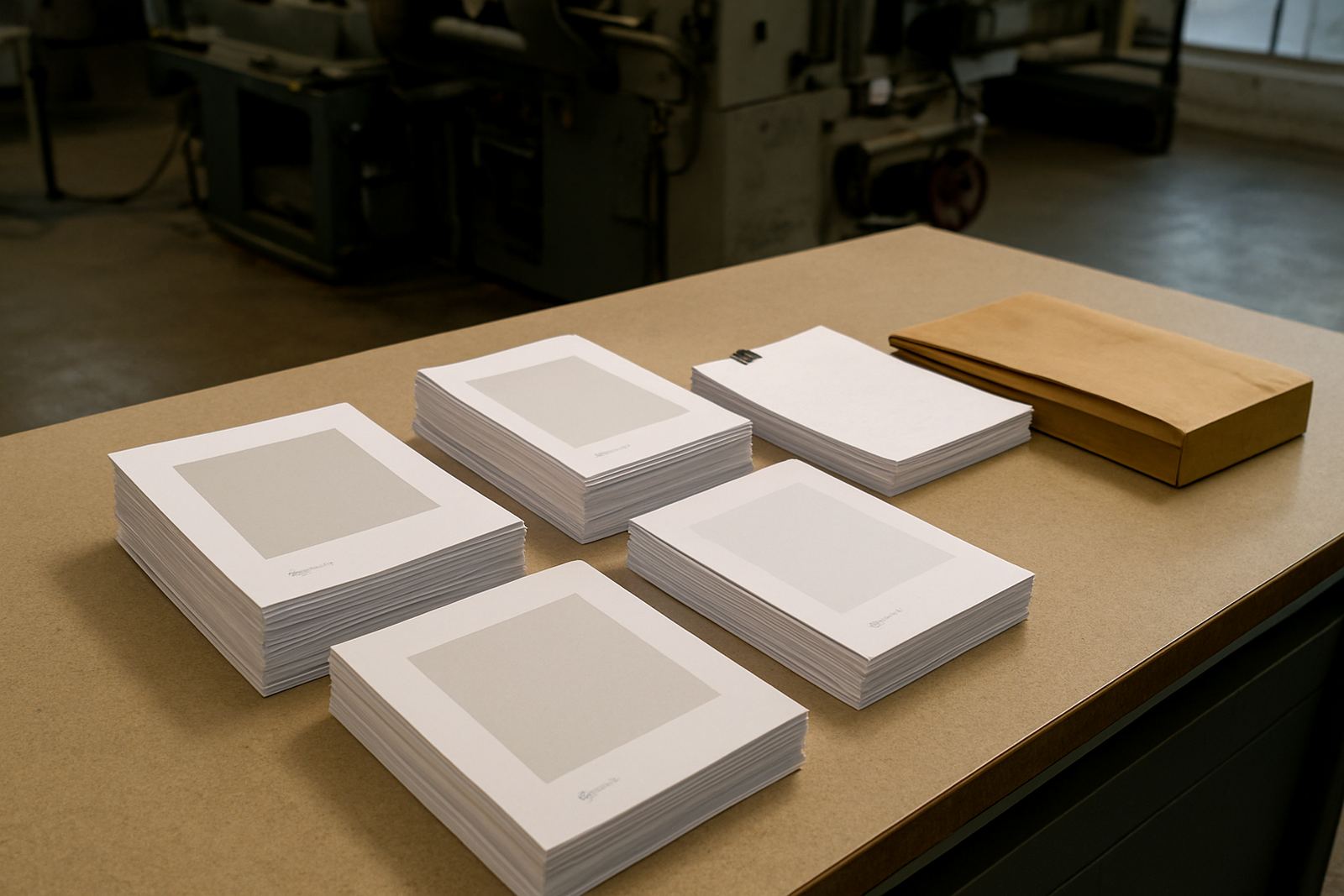
A proof is where most approval mistakes are caught, provided the review is done properly. We always advise clients to read proof material slowly and in sections, not just as a quick skim. Text accuracy, picture placement, page order and finishing notes all need attention. Colour also matters, especially on publications with brand tones, skin tones or product images.
For books and magazines, the most common items that should be checked are:
- Spelling, names, dates and contact details
- Page numbering and running order
- Image resolution and whether pictures are placed correctly
- Bleed, trim and safe areas around the edges
- Paper choice, binding style and cover finish
- Any special work such as foil, die cutting or lamination
If a client is approving from Sandton, Randburg or Midrand and the team is in Industria, we still recommend the same process. The location does not change the need for a careful check. A proof should be approved only when the content and production notes match the intended final piece.
How we keep approvals moving without confusion
Approvals work best when they follow one route and one set of instructions. At Printing House, our client services and prepress teams keep the process structured so the right person sees the right proof at the right time. That reduces the chance of mixed messages, especially when several people are involved in one publication.
We often see projects where an author wants one change, the publisher wants another, and the printer is waiting for final confirmation. To avoid back and forth, we ask clients to nominate one approval contact where possible. That person can gather comments from the rest of the team, confirm the final version and release the job. It keeps the sign-off simple and prevents confusion later.
Our production team then matches that approval against the job sheet before the run starts. If there is a change after approval, it is recorded and checked again. That extra step is important for offset printing and flexo printing alike, because once plates, inks and set-ups are in motion the window for changes is small.
- Use one final decision-maker where possible
- Bundle all comments together instead of sending them one by one
- Approve page order, colours and finish in the same round
- Keep a copy of the final approved proof for reference
Local production realities that affect approval timing
Printing in South Africa means planning for practical conditions, not just creative ones. Load-shedding can interrupt some stages if approvals arrive late and the job misses its slot. Heavy rain in Gauteng can slow courier collections, and coastal humidity can affect paper handling if files or stock are left waiting too long. These are everyday factors, so approvals need to be prompt.
For a publisher in Pretoria or the East Rand, a late sign-off can push a job into the next production window. For a business in Roodepoort or Johannesburg Central, that might mean missing a launch, a meeting or a distribution deadline. In print, a day lost at approval stage can turn into several days lost by the time binding and packing are factored in.
We also advise clients to finalise approvals before special finishing is booked in. Foil finishing, case binding and section sewing all need accurate planning. If the cover stock or spine width changes after approval, the whole schedule may need to be adjusted again. That is why we ask clients to check the practical details before they sign off.
A simple approval workflow for books and magazines
Different jobs need different checks, but a clear process helps every time. For book and magazine work, we usually recommend a step-by-step approval flow so nothing gets missed between content review and final dispatch.
A practical workflow looks like this:
- Review the content proof for text, images and page order
- Confirm the paper, size and binding method
- Check the cover finish, lamination and any foil or die cutting
- Approve the colour reference or printed sample if supplied
- Confirm the delivery address and dispatch timing
For magazine printing, saddle stitching often requires close checking of pagination and creep. For books, perfect binding and case binding need spine width and cover wrap confirmed before production starts. If the job includes section sewing, that detail also needs to be settled early so the bindery team can prepare correctly. It may sound basic, but this is where many delays are avoided.
A Johannesburg example: from proof to dispatch without delay
One recent example involved a publisher in Johannesburg Central preparing a 96 page educational magazine for distribution to schools nationwide. The first proof showed that two adverts had been placed in the wrong order and one photograph needed replacement. With clear approval, the corrections were made in time and the job kept its production slot.
The client approved the revised version on time, and the job moved through offset printing, saddle stitching, packing and dispatch without the schedule slipping. If the approval had been fragmented, with one note sent by one person and another note sent later by someone else, the magazine would have missed its courier window. Instead, the final copies left Industria as planned and reached the client’s distribution team in good order.
That is the value of proper sign-off. It protects the production schedule, supports accurate print results and gives publishers a better outcome across the whole project.