
Start with page count and how the book will be used
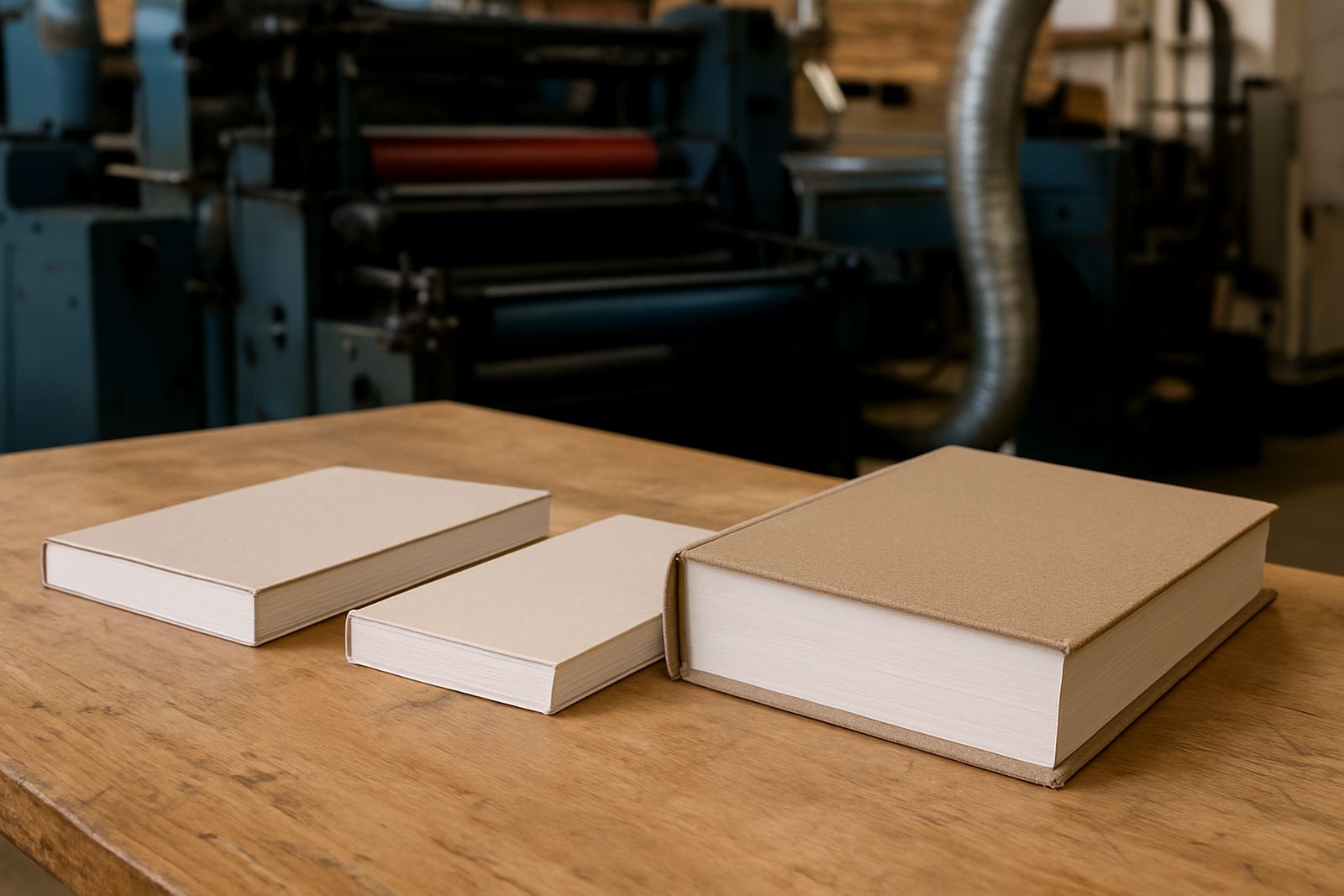
The first question is simple: how many pages does the publication have, and will it be handled once or again and again? A 24 page school booklet, a 96 page catalogue, and a 320 page annual report each need a different binding approach. Page count affects spine thickness, paper movement, and whether the book can lie flat enough for practical use.
If a publication is for quick reading, short runs, or event handouts, lighter binding may be the best fit. If it will sit on shelves, travel between offices, or be opened often by staff and clients, it needs stronger finish on the spine and better page retention. In Johannesburg, where many jobs move from approval to dispatch within tight timeframes, it pays to choose the binding style early, not after the artwork is signed off.
- Low page counts often suit saddle stitching.
- Medium to higher page counts usually need perfect binding or section sewing.
- Heavy reference books and premium editions may call for case binding.
When saddle stitching makes sense
Saddle stitching is a practical option for slimmer books, brochures, newsletters and programmes. The folded sections are gathered and stapled through the spine, which keeps the finish neat and cost effective. It works well for publications that do not need a hard spine or very long shelf life.
For many businesses, saddle stitching is the right answer when the budget is tight but the job still needs to look tidy. It is often chosen for product catalogues, internal training booklets, short magazine issues and conference packs. One point to watch is page count. Once the booklet grows too thick, the spine starts to bulge and the finish looks untidy.
- Best for lower page counts and short runs.
- Useful when turnaround is important.
- Ideal for programmes, newsletters and slimmer magazines.
For clients in Sandton, Randburg or Pretoria who need material for a launch or meeting, this method often gives the best balance of speed and price.
Perfect binding for magazines, reports and trade books
Perfect binding is a common choice for magazines, annual reports, manuals and trade books. The pages are gathered, the spine is trimmed and glued, then the cover is wrapped around the text block. It gives a square spine and a more substantial feel than stitch binding.
This is a good option when the publication needs to look polished on a shelf or reception counter. It also allows for a printed spine, which helps with filing and library style storage. The trade off is that very thin books can open awkwardly, while very thick books need careful planning so the glue line and spine width are correct.
At Printing House, prepress checks are important here. Spine text, page imposition and cover flaps all need to be measured properly before print starts. A small error at this stage can lead to trimming issues or a spine that does not line up once the book is finished.
Case binding for books that need a longer life
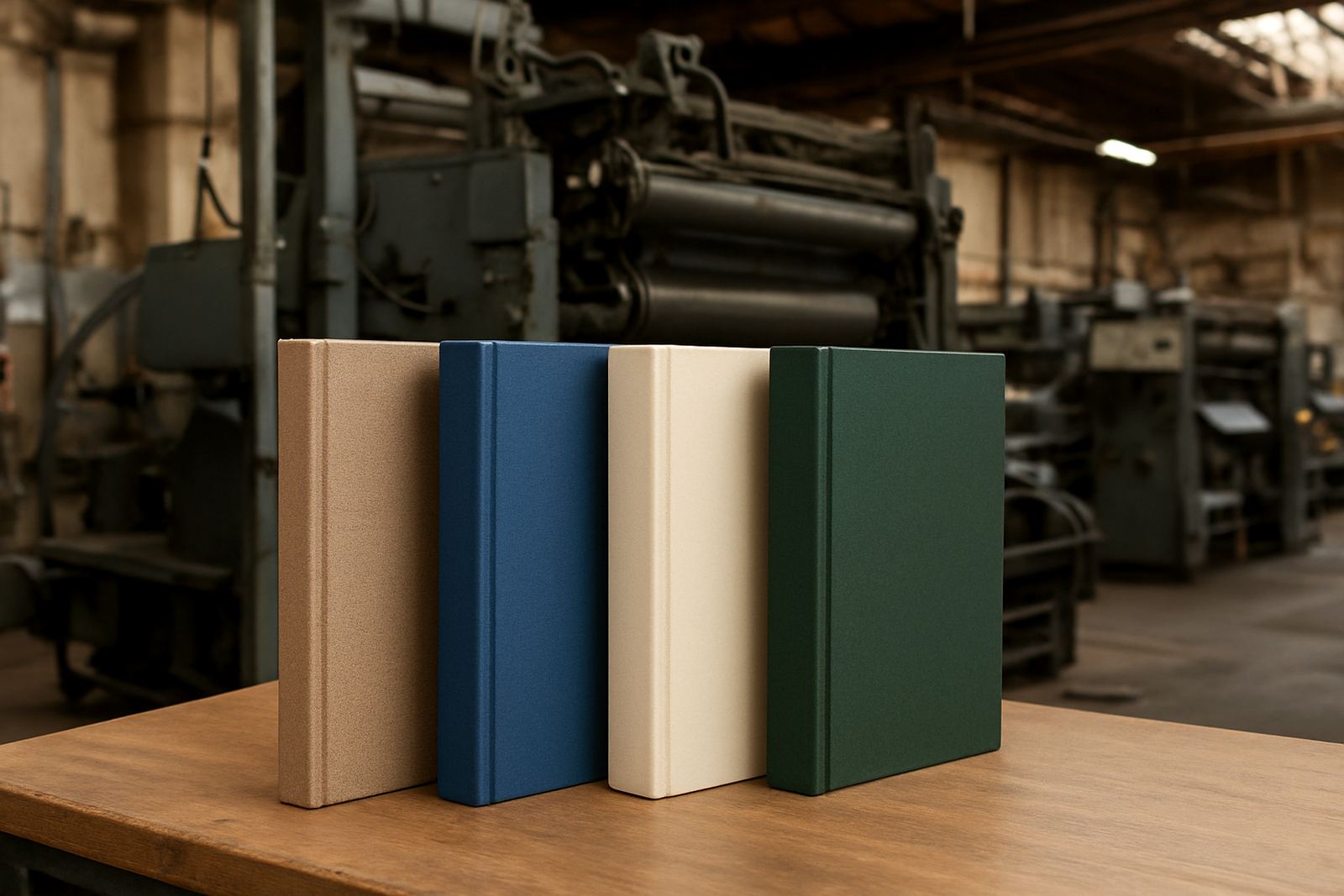
Case binding is the better choice when durability and presentation matter. The text block is bound separately and fixed into a rigid cover, which gives the book strength and a more formal feel. It is often used for premium publications, commemorative books, annual histories, theses and special editions.
That extra protection is useful in environments where books are opened often, moved between departments, or stored for years. It also suits projects that must look presentable from the first day, such as donor reports, executive gifts and collector editions. The cost is higher, but so is the lifespan and perceived value.
- Strong choice for long term reference material.
- Good for gifts, special editions and archival use.
- Pairs well with foil finishing and cover lamination for a premium result.
Section sewing for strength on thicker publications
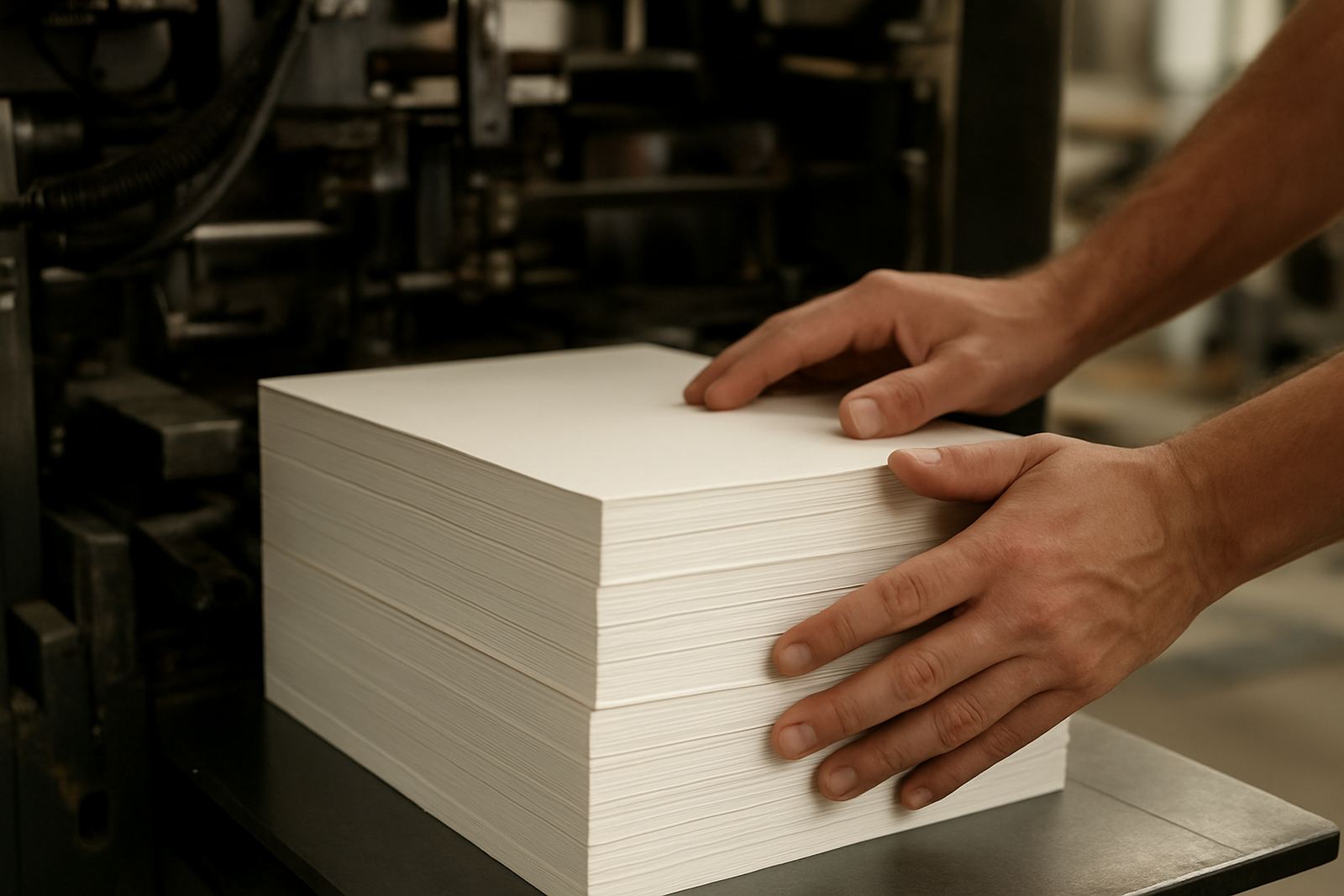
Section sewing is worth considering when a book must withstand repeated opening or frequent use. The folded sections are sewn together before final binding, which helps the book open better and stay intact over time. This method is often used for serious reading material, institutional publications and thicker books that need a longer working life.
For authors and publishers who want a book that feels substantial in the hand, section sewing gives a dependable base. It also works well before case binding, since the sewn text block supports the rigid cover and improves the finished quality. In a humid coastal delivery route or in busy offices where books are handled daily, that added strength can make a real difference.
If your publication is likely to be transported between Johannesburg, the East Rand and Pretoria, or shipped nationwide to publishers and distributors, this option helps reduce wear from constant movement.
Match the binding to budget, finishing and dispatch
Budget should never be the only factor, but it does shape the final choice. A well planned publication can save money by matching paper weight, page count and finishing to the right binding method. Sometimes a slightly lighter cover or simpler finishing option is enough to keep the job within budget without compromising usability.
It also helps to think beyond binding alone. Lamination can protect covers from scuffing. Foil finishing can add a premium detail without changing the binding method. Packing and dispatch matter too, especially for clients sending books to multiple branches in Johannesburg Central, Midrand, Roodepoort or further afield to Cape Town, Durban and Port Elizabeth.
- Ask whether the book will be read once or kept for years.
- Check if the spine needs printing for filing or shelf display.
- Consider moisture, handling and transport before choosing the final finish.
Printing House works with publishers, authors and businesses from Industria and across South Africa to choose the most practical finish for each job. With offset and flexo printing, prepress checks and a full bindery setup, the aim is simple: the binding must suit the book, not force the book to suit the binding.