
What actually wears out first in a paperback
Most paperback damage starts where the book is handled the most. The spine opens and closes, corners pick up knocks in transit, and the cover scuffs in bags, boxes and on shop shelves. In Johannesburg, books also face dry indoor air, dust and busy distribution, so a title that looks fine on day one can start showing wear quickly if the build is not right.
The first weak points are usually the spine glue, the cover score lines and the page block near the opening. If the pages are too slick or too light for the trim size, they can move around in the bind and the book begins to feel loose. A paperback for a monthly magazine insert does not need the same build as a 240 page trade title, so the use case must guide the print spec.
Paper weight, bulk and how the book sits in the hand
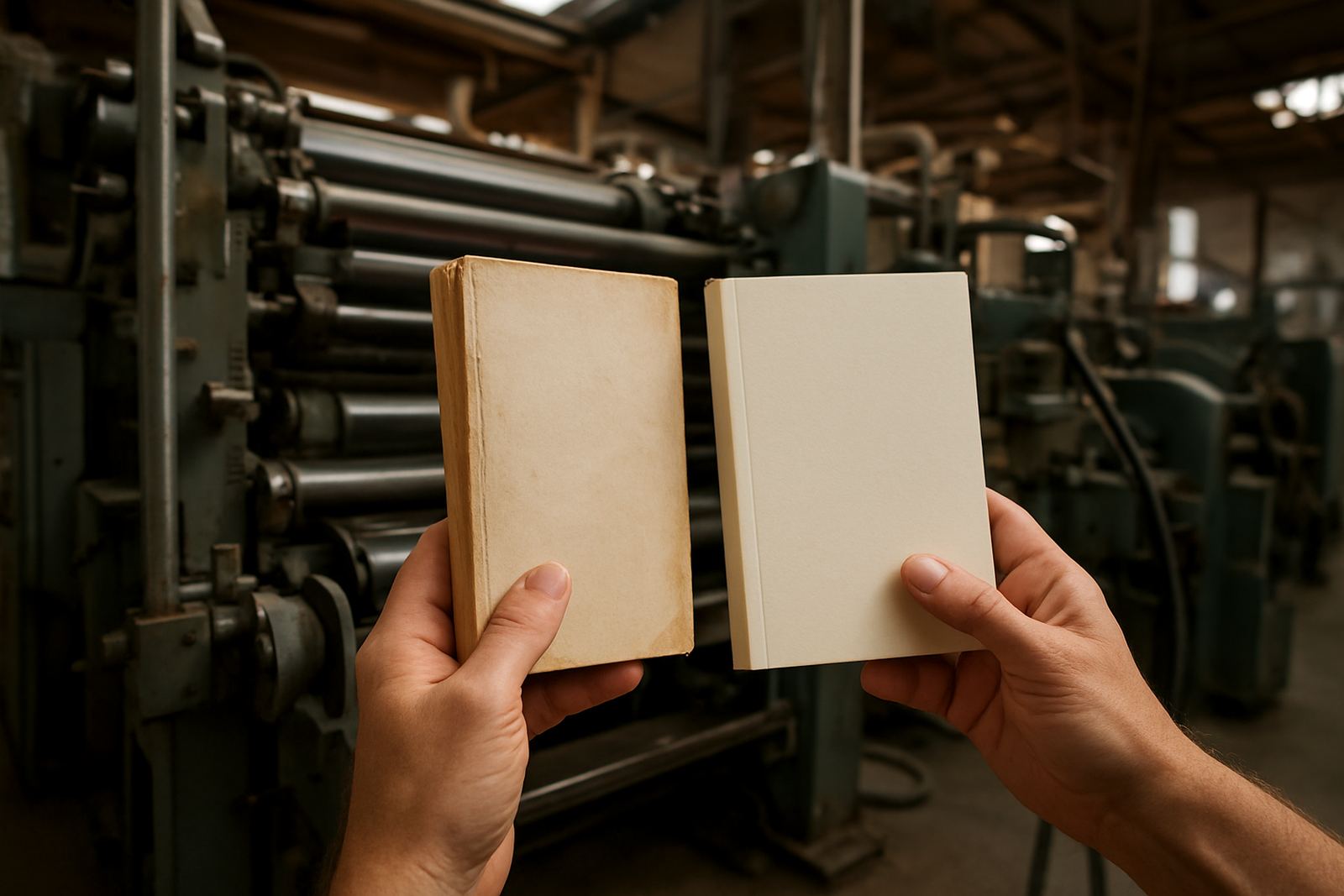
Paper choice changes both feel and lifespan. A light sheet keeps costs down, but if it is too thin for the page count the book can become floppy and hard to open neatly. A heavier sheet gives more body, although the finished spine must still be measured carefully so the book does not crack at the folds. That balance matters for books sold through retailers in Sandton, Randburg and Pretoria where customers will pick up a copy, leaf through it and set it down many times.
For paperback durability, printers usually look at three things:
- page count and final spine width
- paper opacity so text does not show through too much
- surface finish, especially for covers that will be handled often
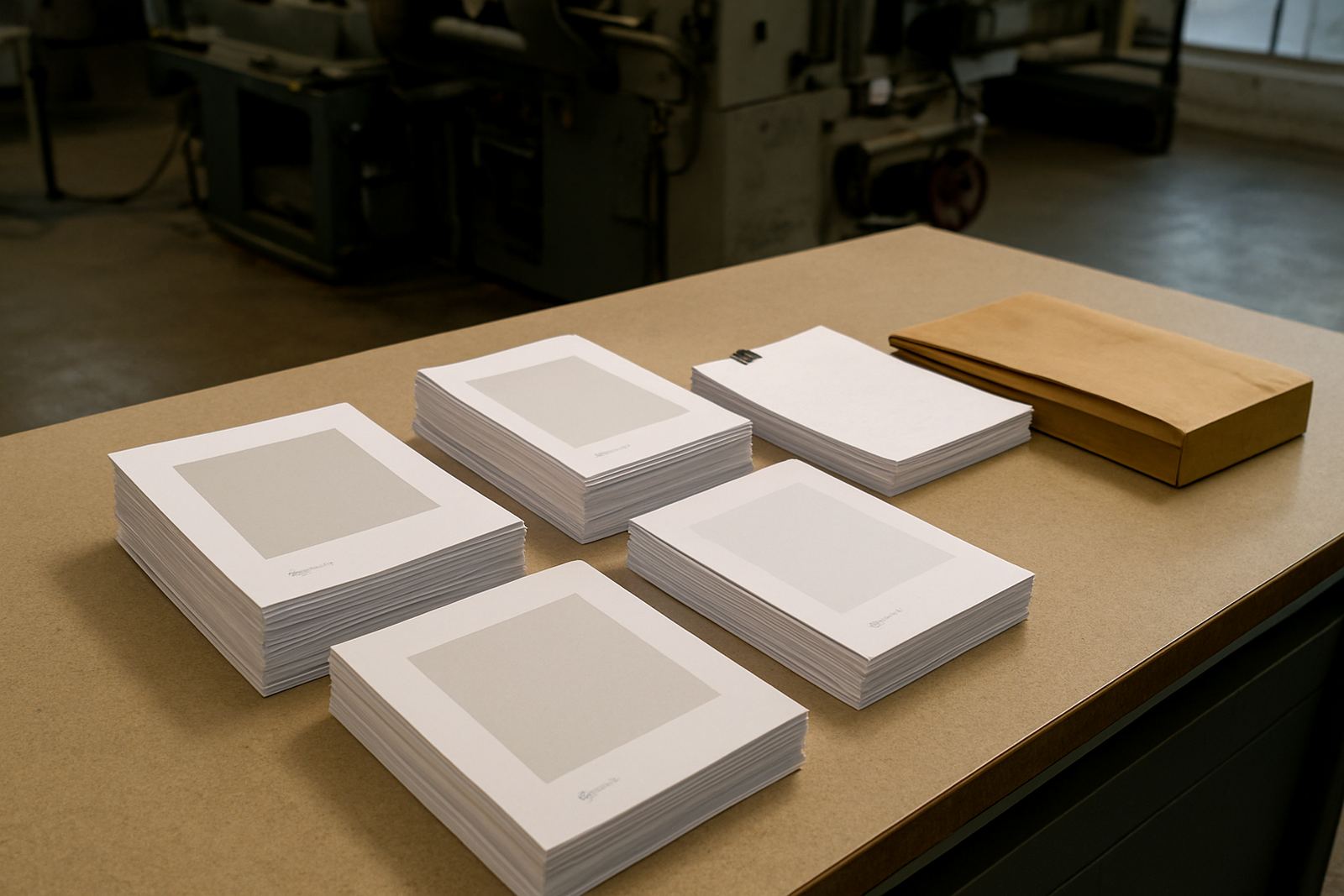
If the paper stock is unsuitable, even the best glue job will struggle. A good prepress check helps here because it flags pagination issues, spine calcs and image coverage before the plates or flexo setup is committed.
Binding choice and why the spine matters most
For most paperbacks, the binding method is the biggest factor in durability. Perfect binding is common for novels, manuals and many magazine-style publications because it gives a clean spine and a neat shelf appearance. When done properly, it handles normal reading well. For heavier or thicker books, section sewing can add strength because the folded sections hold together better than loose pages glued only at the spine.
Saddle stitching suits thinner booklets and shorter runs, but it is not the best choice for a paperback that must survive repeated use over months. Case binding is stronger again, though it is usually reserved for hard cover titles. The point is simple: the binding must match the intended life of the book, not just the budget. A 32 page community guide and a 320 page training manual should not be built the same way.
Printing House often looks at the page count, trim size and intended use before recommending a binding route. That kind of planning helps reduce cracking, page pull and loose spines after distribution.
Cover finishes that protect the book in the real world
Cover finishing does more than make a book look tidy. Lamination adds a protective layer against fingerprints, scratches and damp hands. A matte finish can reduce glare, while gloss can help colour appear sharper and also gives extra surface protection. For books that may be packed tightly in cartons or handled at events, the right laminate can make a noticeable difference.
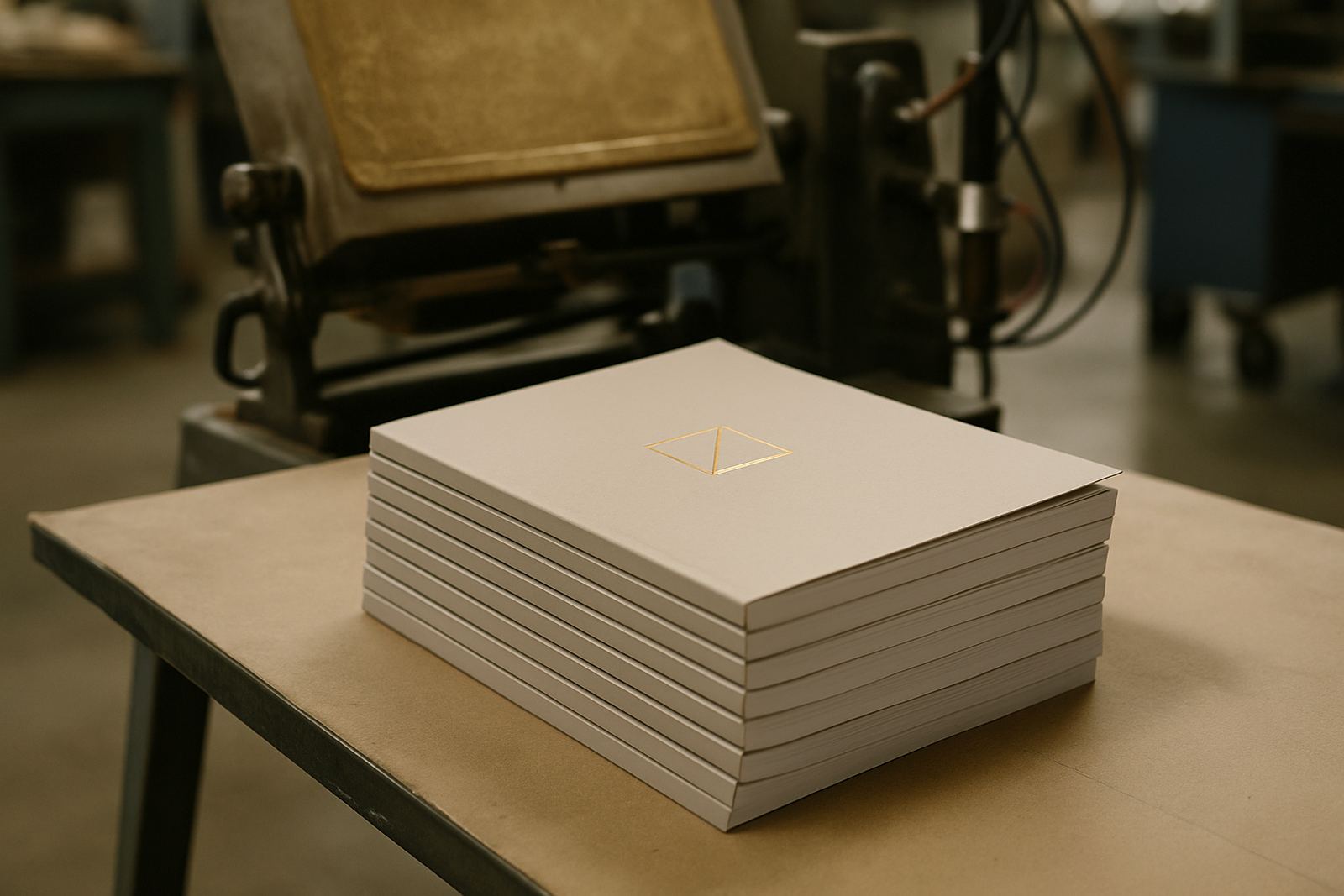
Foil finishing and die cutting are more about presentation than strength, but they still need careful handling. A foil stamp that is placed too close to a spine edge may crack early. A die-cut window can weaken the cover if the layout is not planned properly. In humid coastal areas or when books are moved between warehouses and air-conditioned offices, cover protection becomes even more important because paper and glue react to changes in moisture.
- Choose lamination for high-handling books and retail covers
- Allow enough clear space from spine folds and cut lines
- Match the finish to the expected shelf life, not only the look
Prepress checks that prevent weak points before print
Durability problems often start long before finishing. If the spine width is wrong, the cover may not sit square. If the inner pages are not imposed correctly, the book can open unevenly or the text may drift too close to the trim. Colour proofing also matters because heavy ink coverage on coated paper can affect drying and, in some cases, how the sheets behave in bindery.
Good prepress checks catch those issues early. They also confirm bleed, creep, barcode placement and safe areas so the final book stacks neatly. For publishers and businesses sending stock to shops across Gauteng and beyond, that saves time and avoids reprints. It also reduces the risk of books arriving at pack and dispatch with spines that press unevenly or covers that curl at the edges. A small error here can become a costly one later.
Packing and delivery can undo a good print job
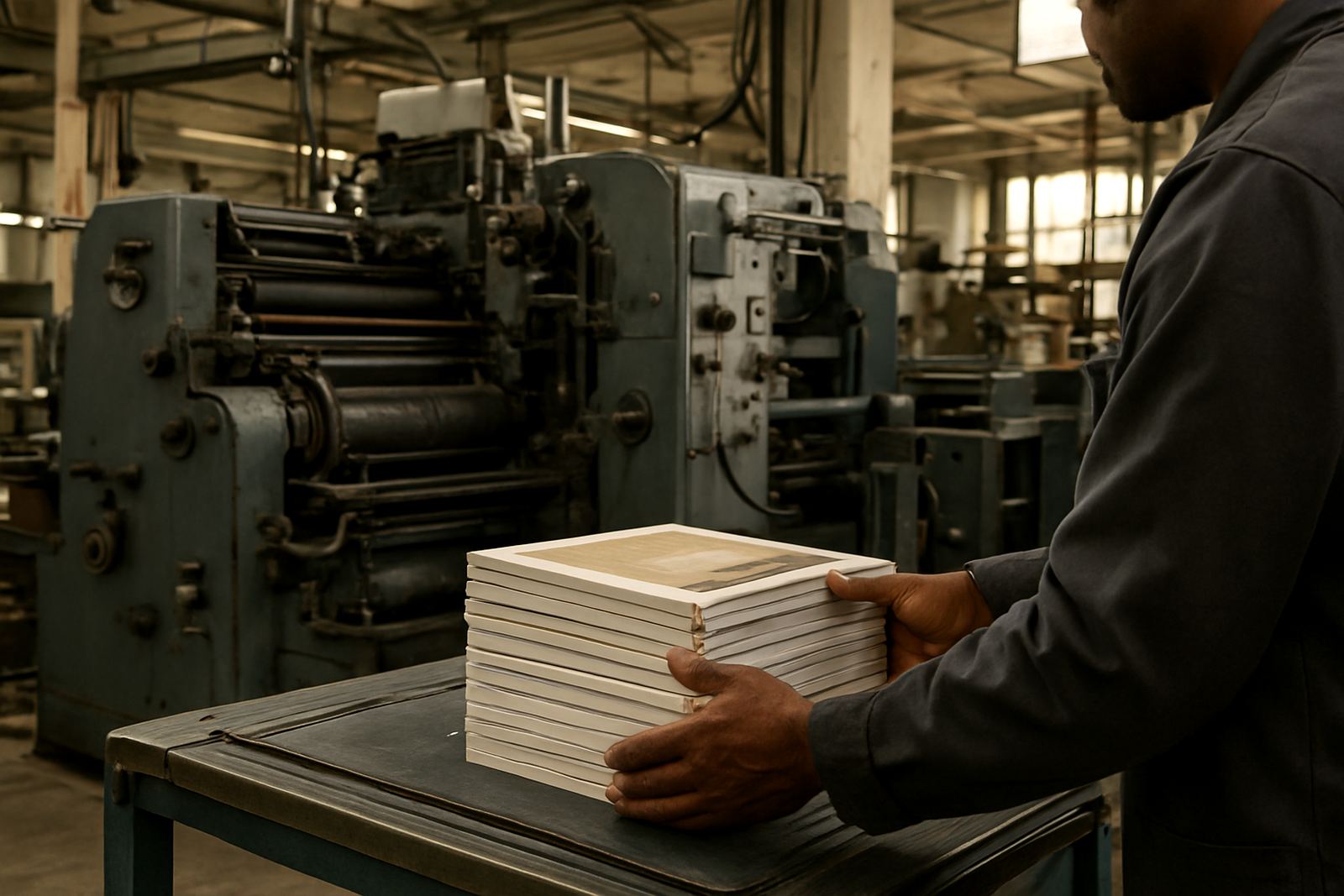
Even a well-made paperback can be damaged in transport if packing is careless. Tight cartons, corner protection and sensible palletising all help. Books stacked too high in a truck can crush lower cartons, while loose wrap can let dust and moisture in. That matters on long delivery runs from Industria to Midrand, the East Rand or Pretoria, and it matters just as much for nationwide dispatch to publishers working from different provinces.
Load-shedding can also affect workflow if drying, trimming or packing schedules are not planned properly. A print run needs enough time to cure and settle before it is boxed. If a fresh cover is packed too soon, it may mark or block against adjacent copies. Good logistics planning means the book leaves in the right condition, not just on time.
- Use cartons that suit the trim size and quantity
- Keep finished stock dry and out of direct sun
- Allow drying time before shrink wrap or carton packing
A Johannesburg example: when the right build saves a reprint
A practical example is a 180 page paperback for a training publisher based in Johannesburg Central. The book was going to schools and offices, so it needed to survive repeated use, bag wear and shelf handling. A light cover without lamination would have looked fine, but it would not have lasted. The better choice was perfect binding with a laminated cover and a paper stock that gave enough stiffness without making the book hard to open.
That kind of decision is not about making the book fancy. It is about keeping the pages together and the cover in shape after dozens of openings. When the build matches the use, fewer copies need replacing and more books stay in circulation. That is what durability comes down to.
If you are planning a paperback run and want it to hold up in regular use, it is worth checking the spec properly before plates or flexo setup begins. The right choices at the start usually save money later, and they make the finished book feel considered from cover to cover.