
Why trim size matters before the first page is set
Trim size is the finished size of a book, magazine or brochure after trimming. In print, that decision affects almost everything that comes after it, from page planning to carton packing. A small change in size can alter paper usage, the number of pages that fit on a sheet, and the final cost per copy.
For publishers and businesses across South Africa, this is often the point where budgets are won or lost. A publication that looks neat in layout can become expensive if it needs unusual sheet sizes, extra trimming, or binding that does not suit the page count. At Printing House in Industria, Johannesburg, we often see that the best trim size is the one that fits the content, the audience and the production method, not just the artwork.
How size changes your printing cost
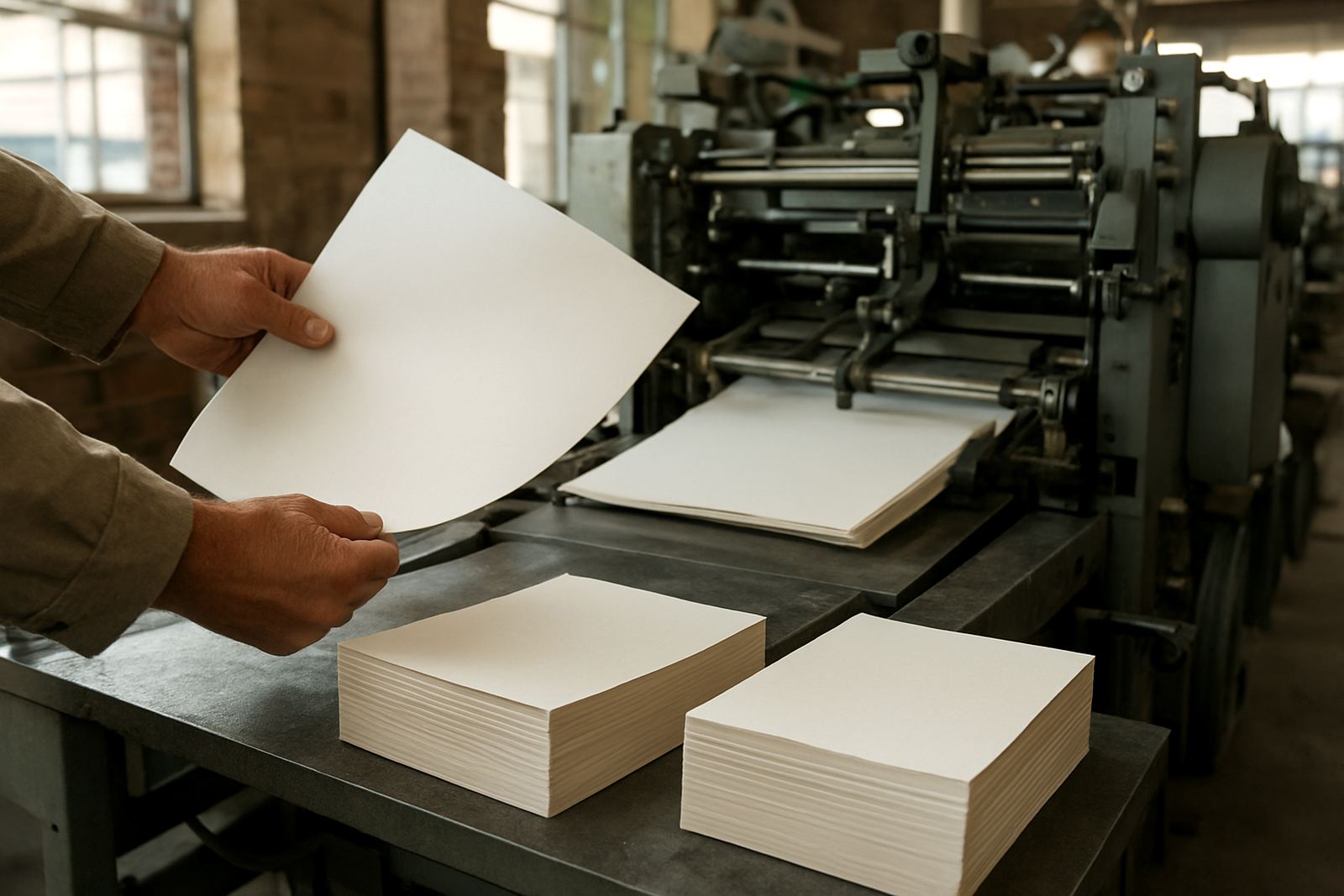
Offset printing rewards planning. When the trim size works well with the parent sheet, more pages can be imposed on each press sheet and waste is kept down. That usually means better pricing on medium to longer runs. If the size is awkward, you may lose yield and use more paper than you expected.
Flexo printing, often used for certain short-run or specialty publication applications, also benefits from clear sizing. Even before the plates are made, the trim size helps guide the press setup, finishing method and packing requirements. A publication that is 210 x 210 mm, for example, may be efficient for one job but costly for another because of how it sits on the press sheet.
In real terms, the size can affect:
- Paper waste during imposition and trimming
- Plate or setup efficiency on the press
- The amount of time needed for finishing
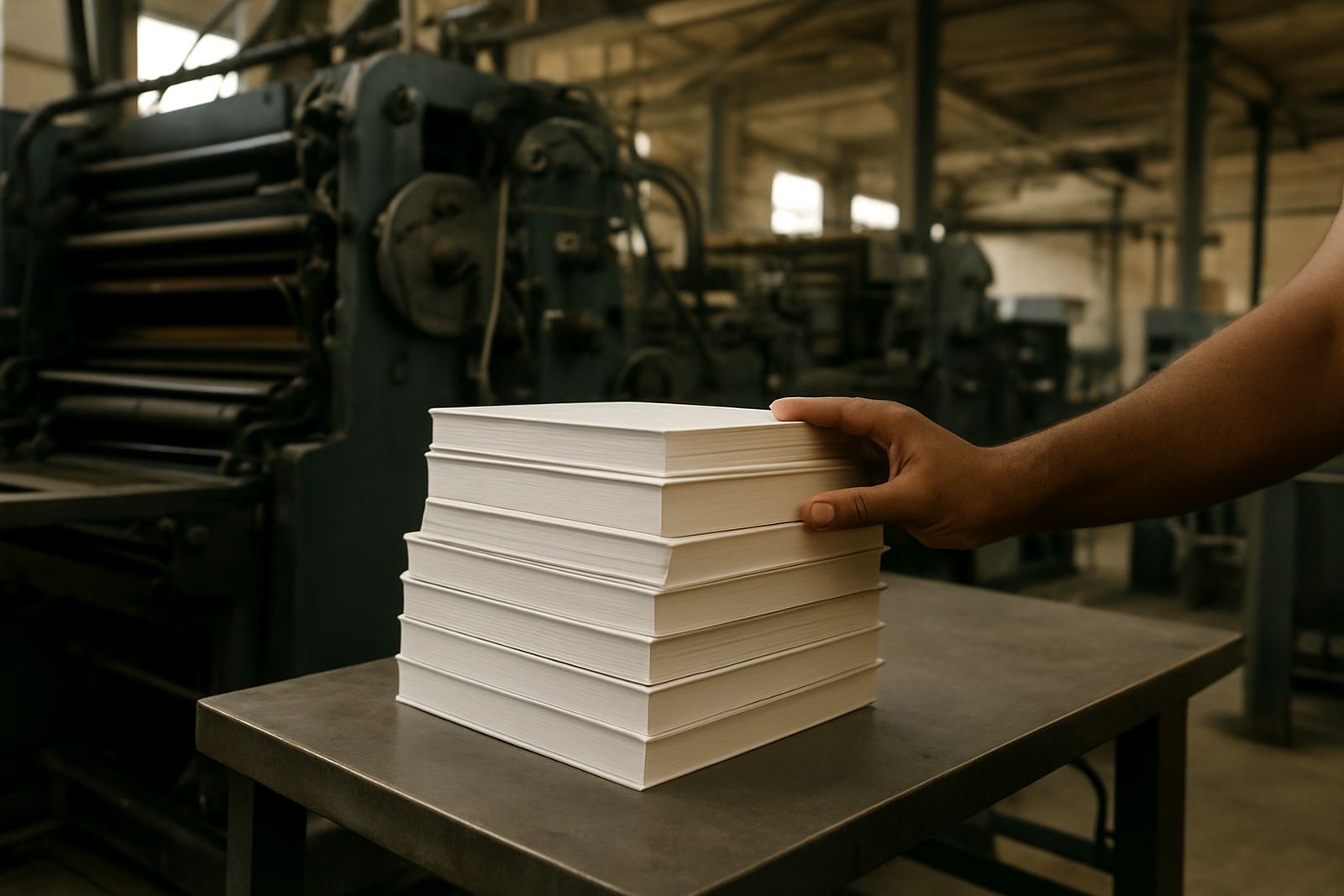
- Carton count and freight cost for nationwide delivery
Choosing a size that suits the reader
Trim size often stands out before paper stock. A compact magazine feels easy to carry on the Gautrain or in a school bag. A larger format gives more room for photographs, charts and editorial features. Trade publications may need a size that sits flat on a counter or opens comfortably for technical drawings. Children’s books, annual reports and church publications each ask for different handling.
Think about who will hold the publication, where they will read it, and how often they will return to it. A monthly magazine for Sandton offices may need a neat, shelf-friendly size. A community guide delivered to Randburg or Roodepoort might need to be slightly bigger for easier reading. Coastal distribution also matters because humidity can affect paper feel, so the final size should work well with the paper and coating chosen.
- Smaller sizes are easier to post, store and handle
- Larger sizes suit visuals, tables and editorial spreads
- Square formats stand out, but can cost more to produce
- Standard sizes often help keep budgets under control
Layout planning starts with the trim size
Once the trim size is fixed, the layout team can set margins, column widths, image bleed and text flow properly. This is where many projects run into trouble if the size changes late. A page built for A4 does not always transfer cleanly to a smaller or wider format. Photos may crop badly, captions may move, and a carefully balanced spread can end up looking cramped.
For books and magazines, the inside spine width also depends on page count and binding method. Perfect binding, saddle stitching, section sewing and case binding all need different allowances. If the trim size is chosen without thinking about the binding, the result can be a spine that is too narrow, pages that do not open well, or cover art that misses the finish line. A quick prepress check early on saves time later, no need for guesswork.
Matching trim size to the right binding
Binding and trim size work together. A slim publication with a low page count is usually better suited to saddle stitching, while a thicker report or book may call for perfect binding, section sewing or case binding. The chosen size should not force the binder to fight the job.
A print-focused way to look at trim size:
- Saddle stitching works well for lighter magazines, brochures and event guides
- Perfect binding suits books, catalogues and reports with stronger spine presence
- Section sewing is useful where the publication must open more easily and last longer
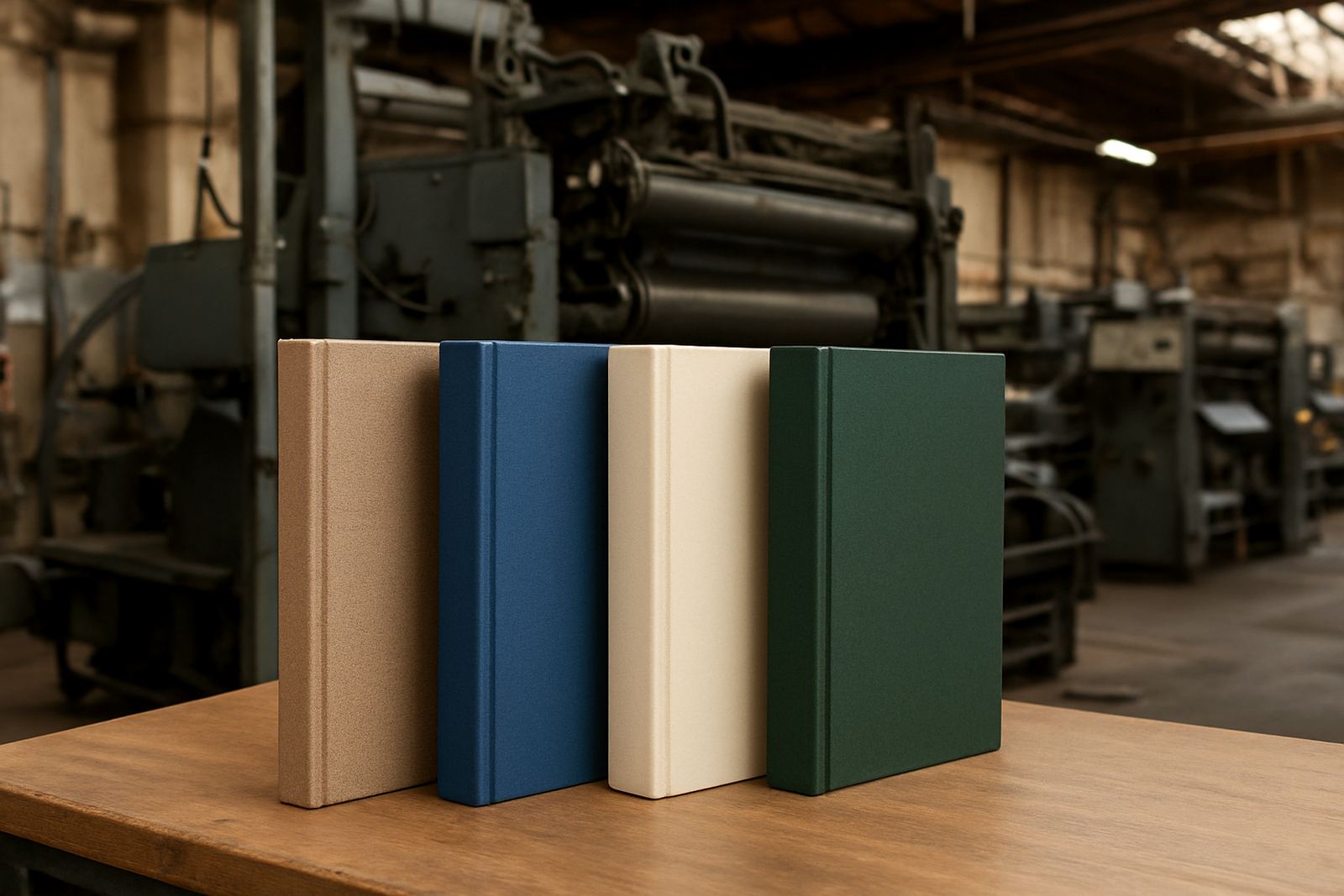
- Case binding is suitable for premium books and keepsakes that need a hard cover
Cover lamination, foil finishing and die cutting also depend on the trim size. A small title can carry a more refined finish without looking overcrowded, while a bigger format may need the finish to be kept simple so the design does not feel busy.
A Johannesburg example: planning for budget and distribution
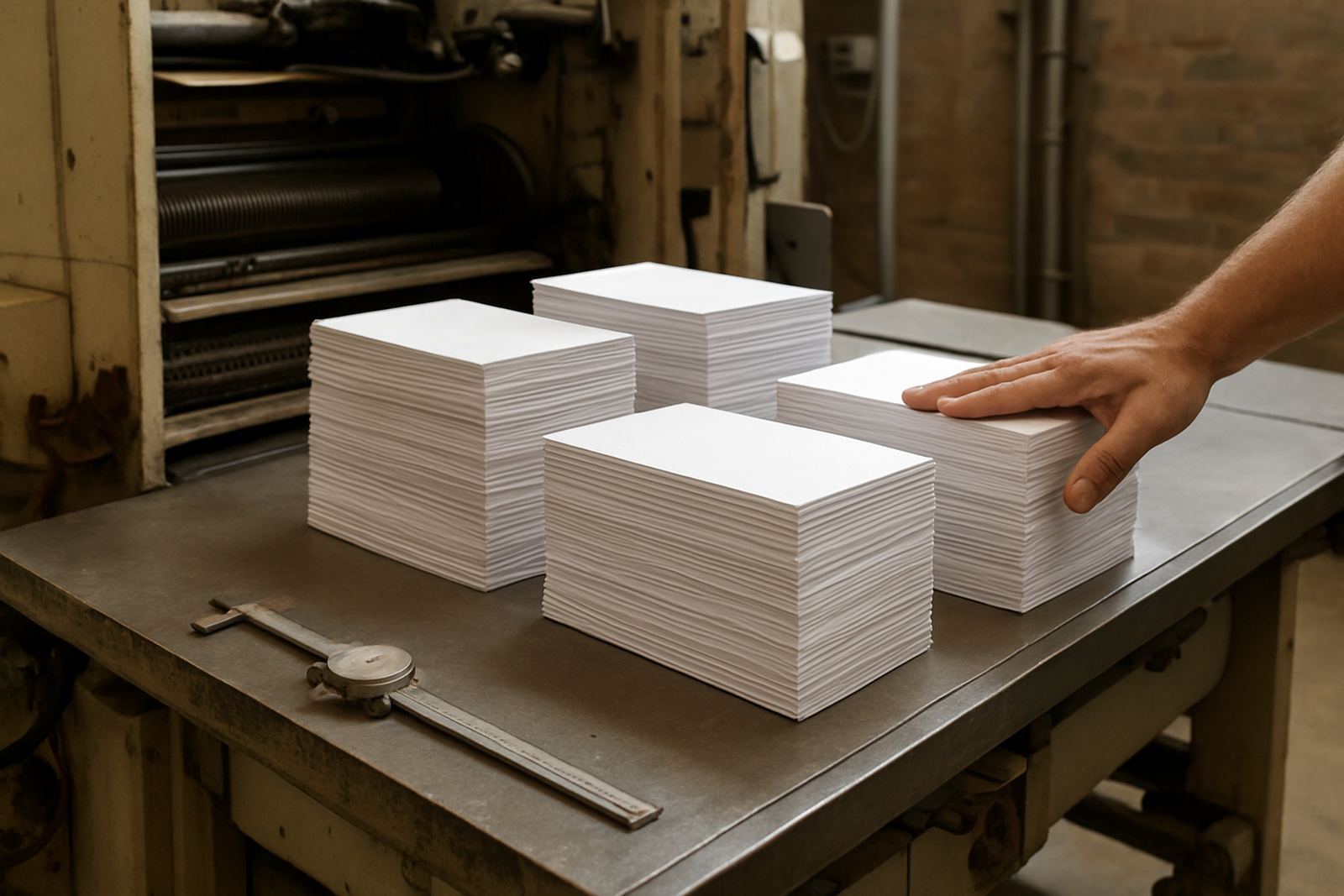
Consider a publisher in Johannesburg Central preparing a 64-page trade magazine for national distribution. If the magazine is set at a common trim size, the printer can plan imposition more efficiently, the bindery can work faster, and dispatch can pack cartons more neatly for delivery to Pretoria, the East Rand and further afield. That means fewer surprises on the quote and fewer delays in finishing.
But if the same magazine is pushed into a custom size just because it looks different on screen, the production team may need extra paper, different cutting, and slower binding. For publishers working with tight deadlines and load-shedding interruptions, this matters. A sensible trim size gives the press room to work and helps the delivery team stay on schedule, even when the job moves through prepress checks, colour proofing and packing in a short window.
- Use standard sizes when the budget is tight
- Choose custom sizes when the content justifies the extra cost
- Allow enough time for proofing and binding trials
- Plan dispatch early if books must go nationwide
Questions to settle before you approve the final size
Before you sign off a publication, ask a few practical questions. Will the size suit the amount of text and imagery? Can it be printed efficiently on the chosen press? Will the binding hold the pages properly? Is the publication meant to be carried, shelved or posted? These questions are basic, but they prevent costly rework.
If you are unsure, bring the brief to the printer before artwork is finalised. At Printing House, the production team can review the page count, finishing options and delivery needs before the job starts. That gives publishers, authors and businesses a better shot at staying within budget while still producing something that feels considered and professional.
- Check page count against the binding method
- Confirm the final size before layout begins
- Allow bleed and spine space where needed
- Factor in delivery, storage and handling costs