
Why journal consistency matters issue after issue
A journal that feels different from one issue to the next is noticed straight away. A cover that is a shade off, a trim that shifts by a few millimetres, or binding that does not sit the same can make a publication look hurried, even if the content is strong. For academic journals, that can affect credibility. For trade journals, it can weaken the brand value that advertisers and members expect.
Consistency also helps your production team. When the same format, paper spec and finishing are repeated, it becomes easier to schedule press time, plan stock and keep proofing simple. That matters when you are managing quarterly, bi-monthly or monthly titles with tight sign-off windows. A missing note on one issue can set off a chain of small errors later.
In Johannesburg, where many publishers manage multiple titles from Industria, Sandton or Midrand, the pressure is usually on timing and accuracy. If issue 3 looks one way and issue 4 looks another, someone has to explain why. Keeping standards fixed from the start saves that trouble.
Lock the specification before the first full run
The most reliable journals are built on a written spec that does not drift. That means fixing the finished size, page count range, paper weights, binding method, colour expectations and finishing details before the first production run. If you change those items later, you should do it on purpose, not by accident.
At Printing House, we recommend that publishers keep a master production sheet for each title. This should stay with the journal file and be used for every reprint or new issue. It helps the prepress team, the press operator and the bindery team work from the same instructions, which cuts down on guesswork.
- Finished size with trim allowance
- Inside and cover paper stocks
- Binding method, such as saddle stitch or perfect binding
- Colour standard for logos, headings and photos
- Lamination, foil or die cutting notes
Even small changes such as a thicker cover or a different stitch position can alter the feel of the whole publication. Once the standard is fixed, keep it. That is what gives a journal its familiar look and feel issue after issue.
Use prepress checks to catch the repeat mistakes
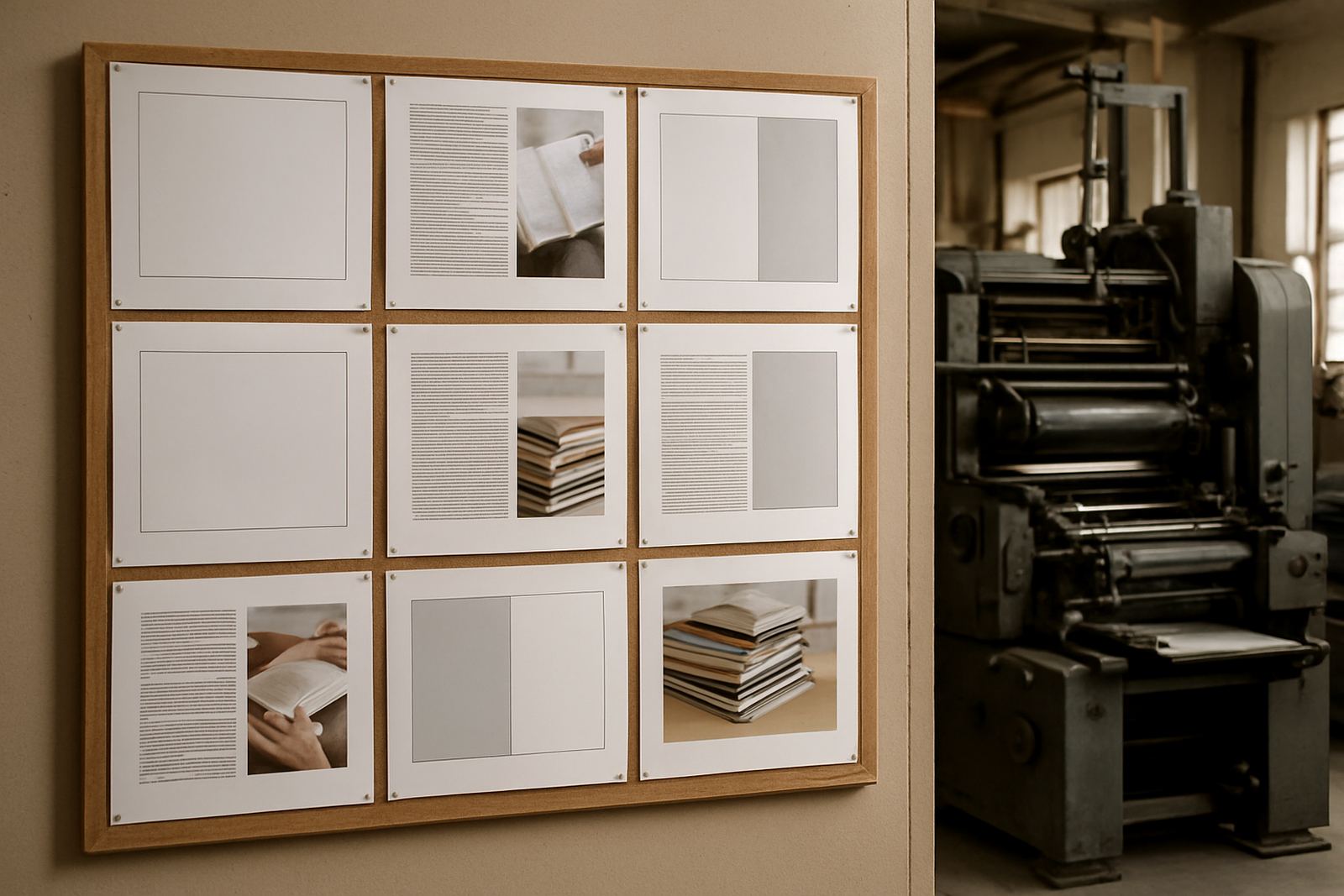
Most consistency problems start long before the sheets go to print. A repeated footer out of place, a page number that shifts, or a spine width that no longer matches the page count can all be caught at prepress stage. That is why prepress checks should be treated as part of the production chain, not a box-ticking exercise.
For journals, the same checks should happen every time: page order, image resolution, bleeds, overprints, barcode placement and cover spread set-up. If your journal has ads, paid inserts or member notices, those items need extra care because they are often supplied by different people at different times.
- Confirm that all supplied pages follow the same template
- Check that images and logos reproduce cleanly in black and full colour
- Verify page numbering, section breaks and running heads
- Review cover spine width against final page count
- Approve a proof before the full run is released
When the issue schedule is tight, it is tempting to rush this stage. That is where mistakes sneak in. One clean proof now is better than a pallet of reprints later.
Printing methods that support stable results
Different journal types suit different print methods, but the goal is the same: repeatable output. Offset printing is a good choice when colour control, image sharpness and volume need to stay steady across multiple issues. It suits journals with regular pagination and a predictable annual print plan.
Flexo printing can be useful for certain publication components and packaging-style items, especially where speed and repeatability matter. For a journal publisher, the important point is not the label on the machine but whether the chosen method can hold consistent results for the title you are producing.
Paper choice matters as much as the machine. In Gauteng, winter dryness and summer storms can affect handling, while in coastal towns humidity can change how sheets behave during finishing and packing. A paper that performs well in one season may need tighter handling in another. That is why we test and proof before committing to a full run.
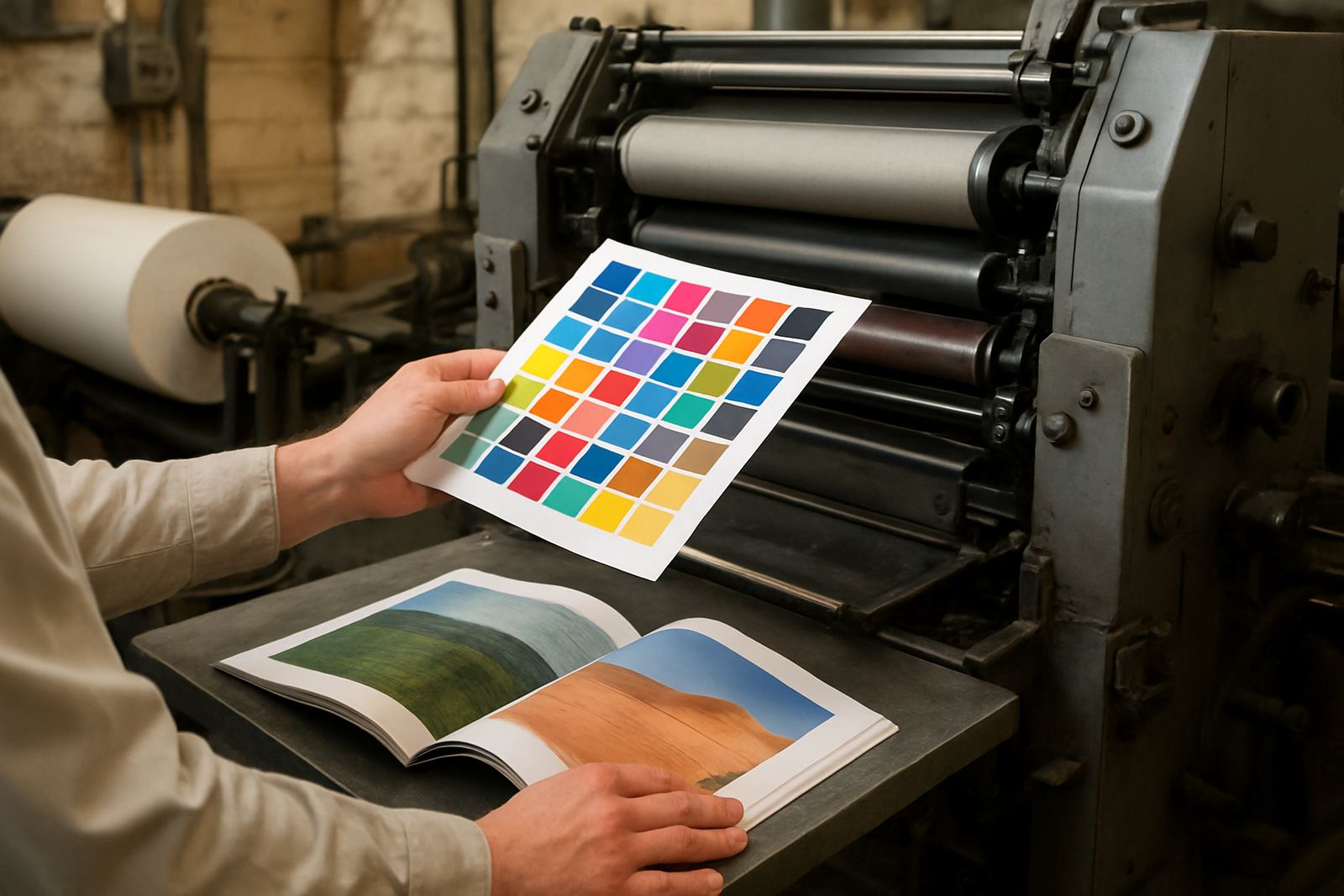
Colour proofing is another part of the discipline. If a cover blue must stay the same from issue to issue, you need a reference that everyone can agree on. Otherwise each run drifts a little and by the sixth issue the publication no longer matches itself. That is the sort of thing people pick up on straight away.
Binding and finishing that keep the title uniform
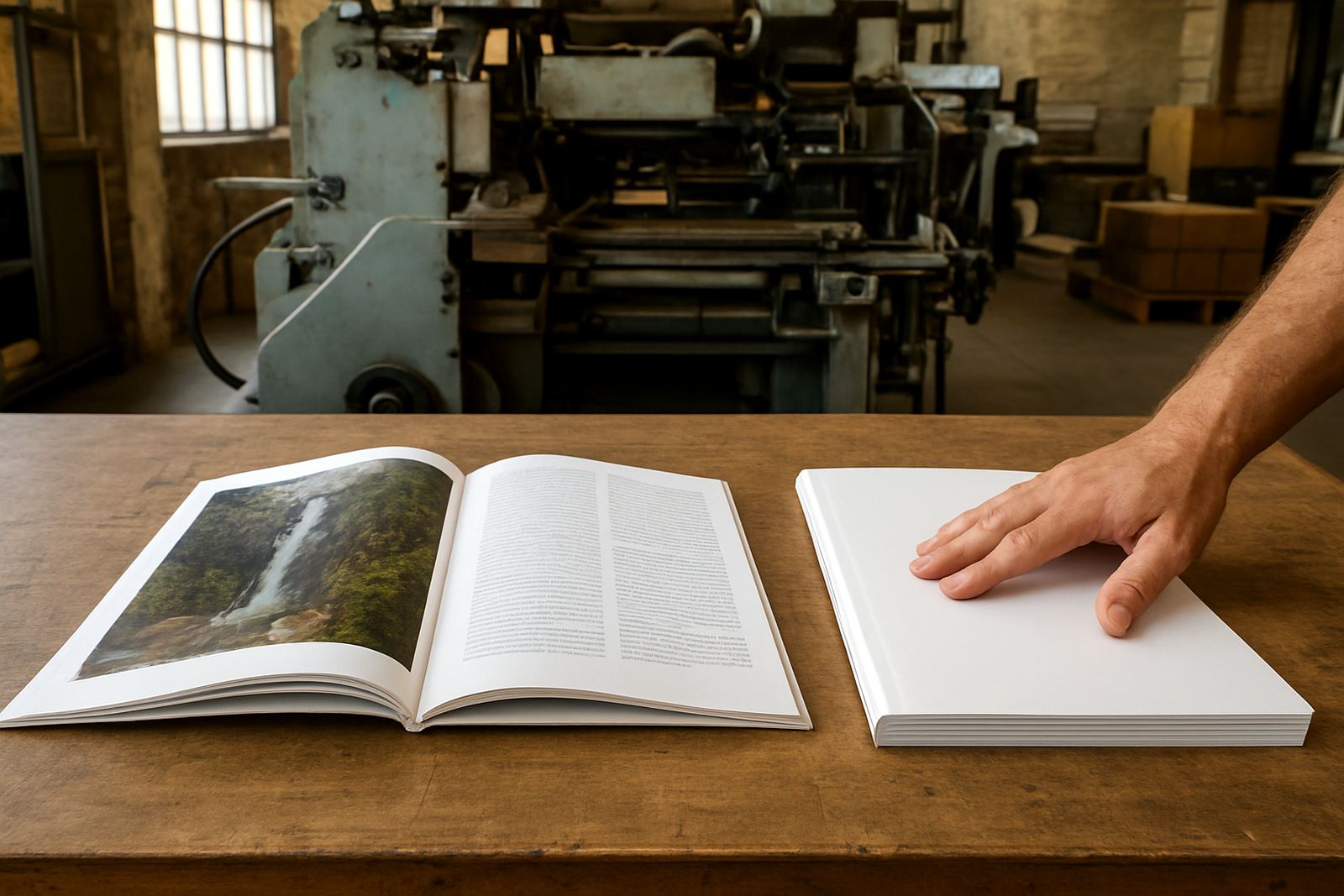
Binding has a big effect on whether a journal feels consistent in the hand. Saddle stitching works well for lighter issues with lower page counts. Perfect binding gives a square spine and suits thicker journals or titles that need a more formal finish. Case binding is used where a stronger, more durable cover is needed, especially for reference material and library copies.
Section sewing is useful when a publication must open well and hold up over repeated use. That can matter for academic titles that are filed, shared and handled often. Whatever method you choose, the key is to keep the same structure from issue to issue unless the page count changes enough to require an adjustment.
Finishing should be just as consistent. Cover lamination protects against marking and handling wear. Foil finishing can be used for logos or issue markers, but it must be placed carefully so the same position is repeated each time. Die cutting can add a special shape or window, but it needs precise planning to avoid alignment issues. A journal that is well finished will stand up better in libraries, reception areas and conference packs.
A Johannesburg example from brief to dispatch
A trade journal produced from Industria may be distributed to Johannesburg Central, Pretoria, the East Rand and further afield to Durban, Cape Town and Gqeberha. Every issue needs to arrive looking identical, with the same cover feel and the same reading experience, even when the editorial pages change each month.
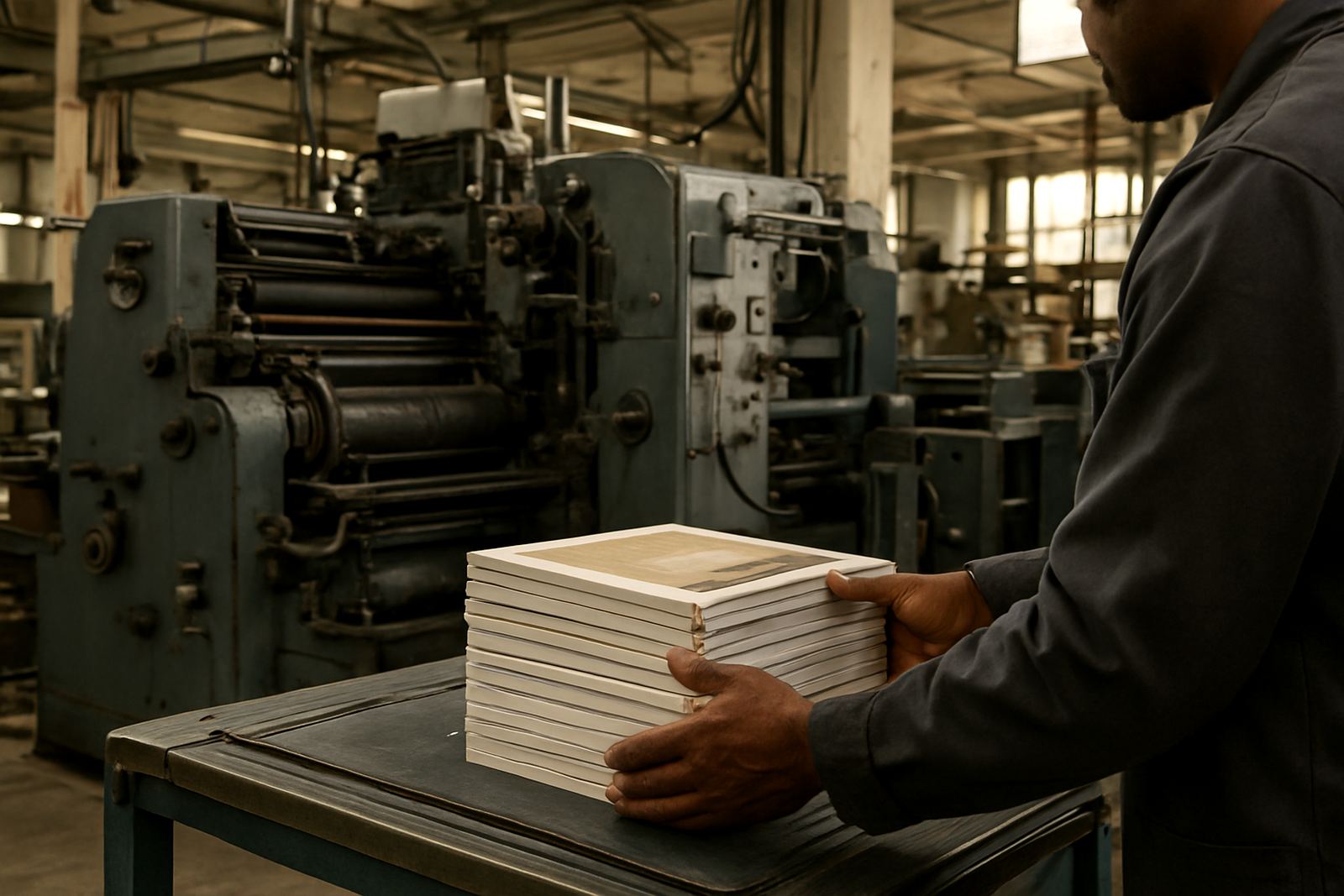
The production team starts with prepress checks, then signs off a proof that matches the master spec. The same cover stock and body paper are used again, the same binding method is followed, and the finished copies are packed in fixed quantities for easier counting and distribution. If the issue is going to Sandton offices or a university in Pretoria, the pack notes need to be clear and the dispatch timing must be tight. One missed pallet can delay a launch by a week or more.
At Printing House, that process is handled by a team that understands the difference between a once-off brochure and a publication that returns every month or quarter. Busisiwe Motaung keeps production on track, Johan van der Merwe oversees prepress, Farieda Adams manages bindery, and Leanne Naidoo coordinates packing and dispatch. It sounds simple, but journal work depends on small details being correct every single time.
Practical habits that stop drift over a year
Most journal drift happens slowly. A client approves one small change, then another, and soon the title no longer matches the original standard. That is why the production record must be kept clean and updated after every issue. Good journal management is not only about printing, it is about keeping a reliable paper trail too.
- Keep one master spec for the title and update it only when needed
- Store approved proofs for comparison against the next issue
- Use the same naming system for files, issues and covers
- Record any change in page count, trim or binding before print starts
- Plan for delivery lead times to publishers nationwide, especially during month-end and holiday periods
For publishers, that discipline pays off in fewer corrections, steadier budgets and a better reader response. For a printer, it means every issue leaves the floor with the same standard of care. That is the real test of journal production, not just getting one issue right but keeping the whole run dependable.