
Why advert placement starts with the reader, not the rate card
Good advert placement is not only about filling pages. It starts with how a reader moves through the magazine, where the eye pauses, and which pages are more likely to be kept open. If ads are dropped in without a plan, the publication can feel jumpy and the editorial content loses pace.
For publishers in Johannesburg, Pretoria, Sandton and beyond, this matters just as much as the print quality. A strong issue should let the reader move through features, adverts and service pages without confusion. That means planning ad positions before the final pagination is locked, not after the artwork is already late.
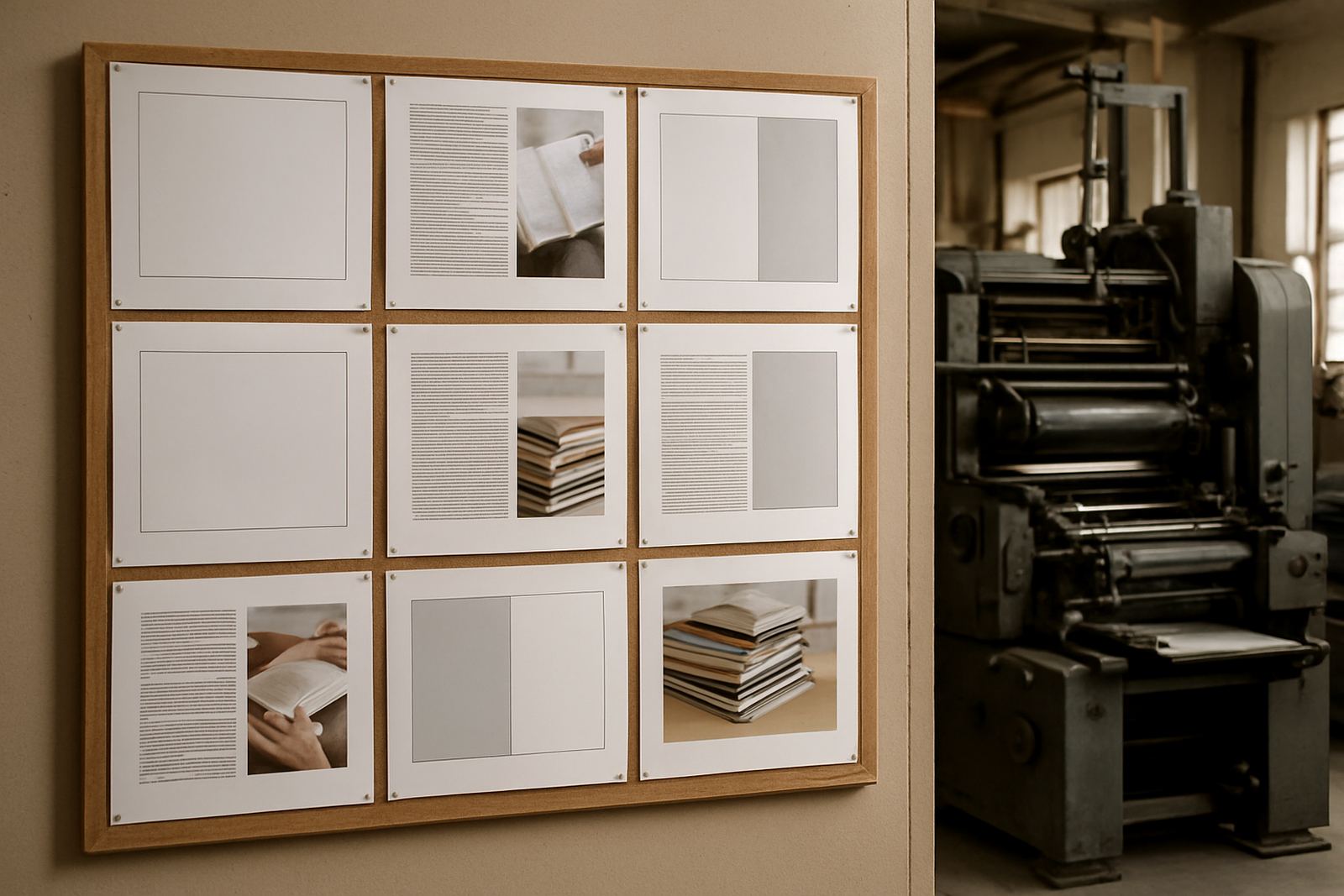
At Printing House, we often see titles in which advert pages are held back for premium positions, then the rest of the layout is fitted around them. That approach can work, but only if the print plan is clear from the start. When pagination, prepress checks and proofing are handled properly, the final issue is cleaner and quicker to print.
Map the issue around high-value positions
Some pages naturally carry more value than others. Inside front cover, inside back cover and back cover are usually the first pages publishers think about, but there are also good positions near the contents page, feature openings and section dividers. The best mix depends on the title, the audience and how many adverts must be sold.
For a business magazine, a spread next to a market report may be more useful than a random page near the middle. For a lifestyle title, an advert placed opposite a strong image-led article can work well if the colour and cropping are managed carefully. The trick is to plan for value without breaking the reader flow.
- Reserve premium positions early if they are part of your sales plan.
- Keep track of which pages must stay editorial for legal or content reasons.
- Allow enough room for ad sizes, whether full page, half page or double page spread.
- Check that adverts do not clash with opening pages or key navigation pages.
Build the ad plan into prepress, proofing and pagination
Advert placement becomes much easier when the production team knows the final page plan before plates are made. In prepress, every advert should be checked for size, bleed, image quality and colour build. If one ad arrives short on bleed or with poor artwork, it can hold up the whole issue and create extra cost.
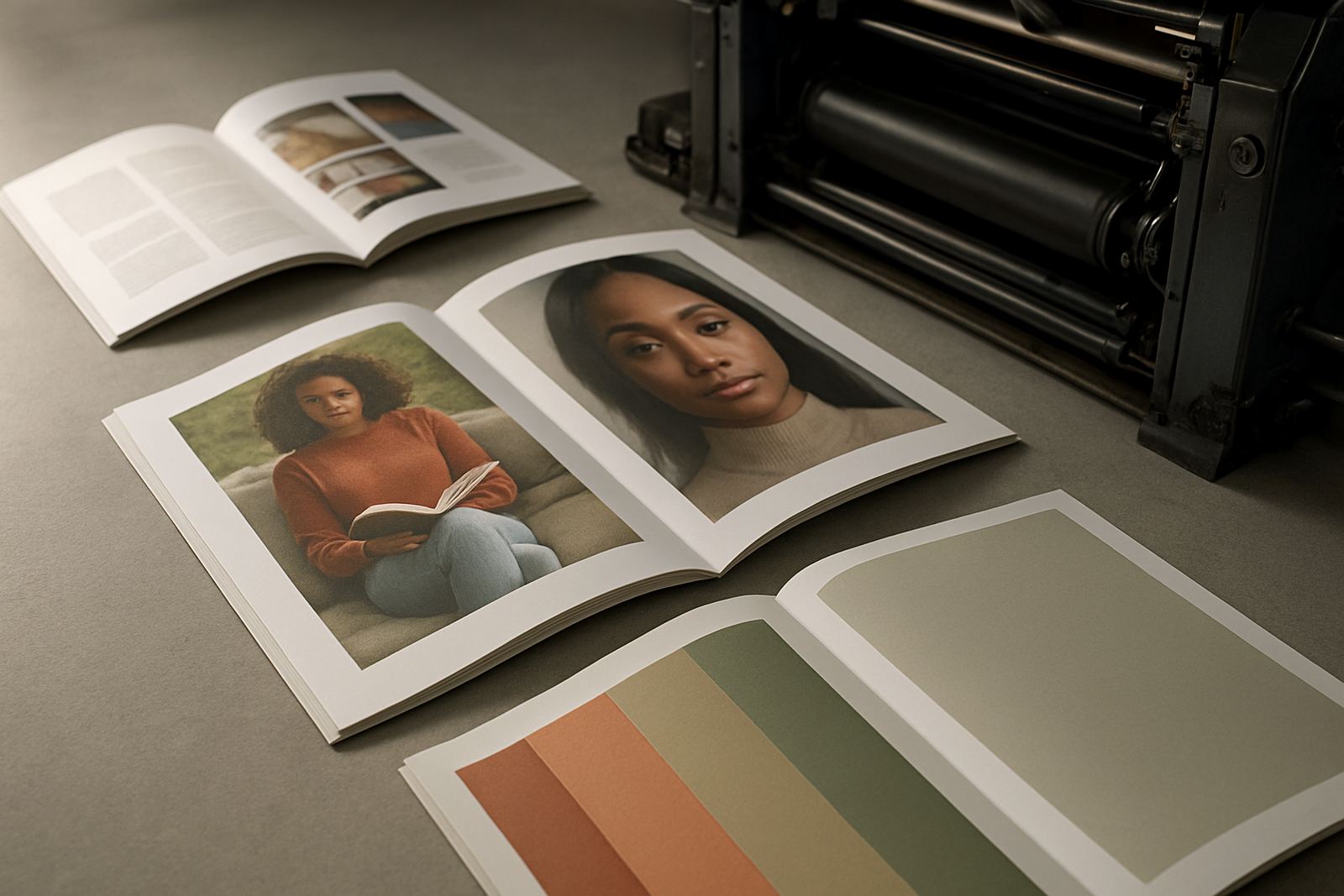
Colour proofing is especially important when adverts have product photography, skin tones or branded colours that need to print consistently. A page may look fine on screen but print dull if the file is not prepared correctly. That is why publishers should allow time for prepress checks and proofs, rather than leaving amendments to the last minute.
With offset printing, even small changes in page sequence can affect the workflow. Once imposition is set, moving pages around late in the job can mean rechecking signatures, binding sequence and finishing. The earlier the advert map is agreed, the smoother the print run. That saves money and helps meet delivery dates to clients across South Africa.
Use the right binding and finishing for the magazine format
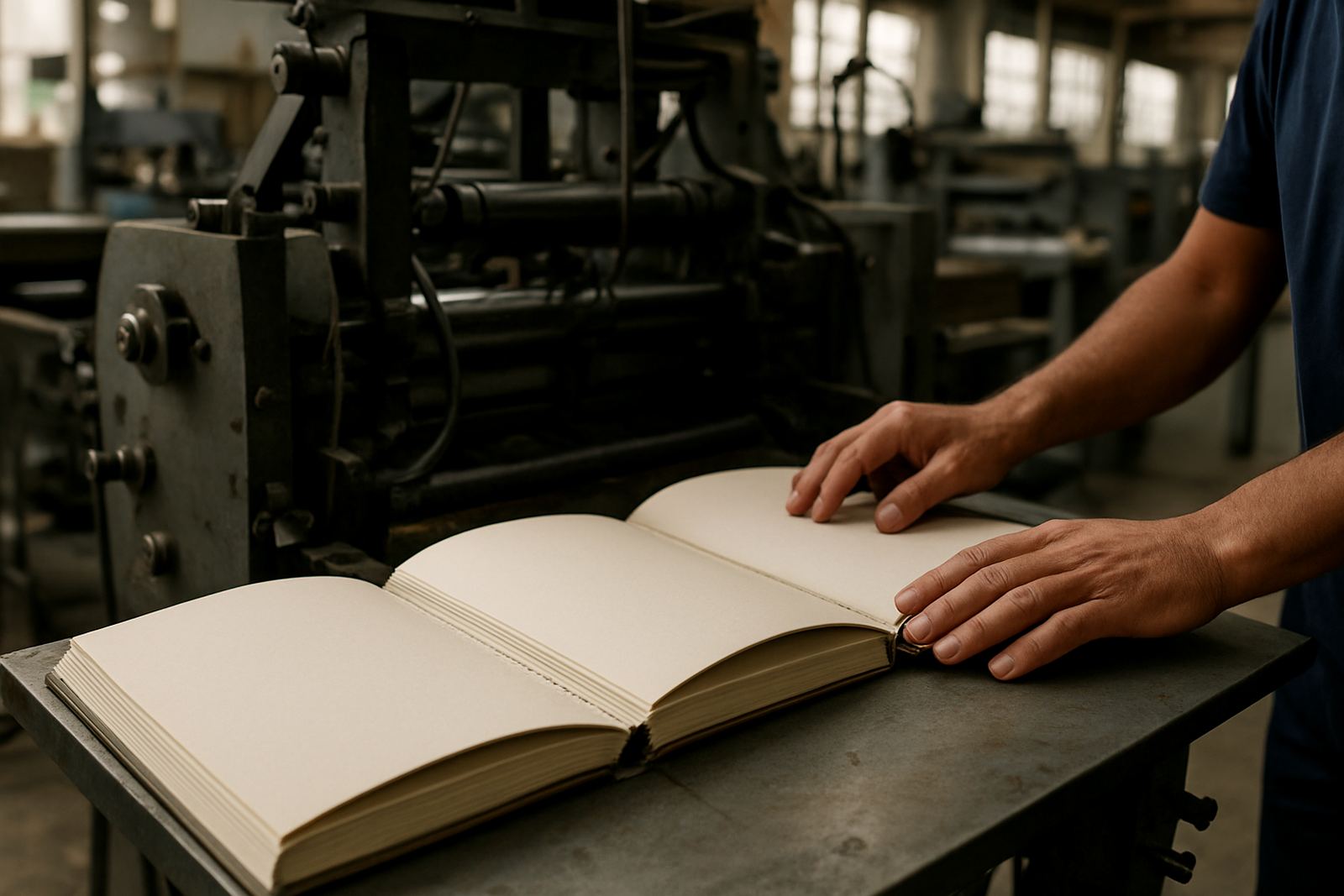
The way a magazine is bound influences where adverts should sit. A saddle stitched booklet is best for shorter issues, but page count must be managed carefully so the spine does not bulge or creep. Perfect binding suits thicker publications and gives a neat spine for shelf display. Case binding works for premium or long-life titles where the publication is kept for longer periods.
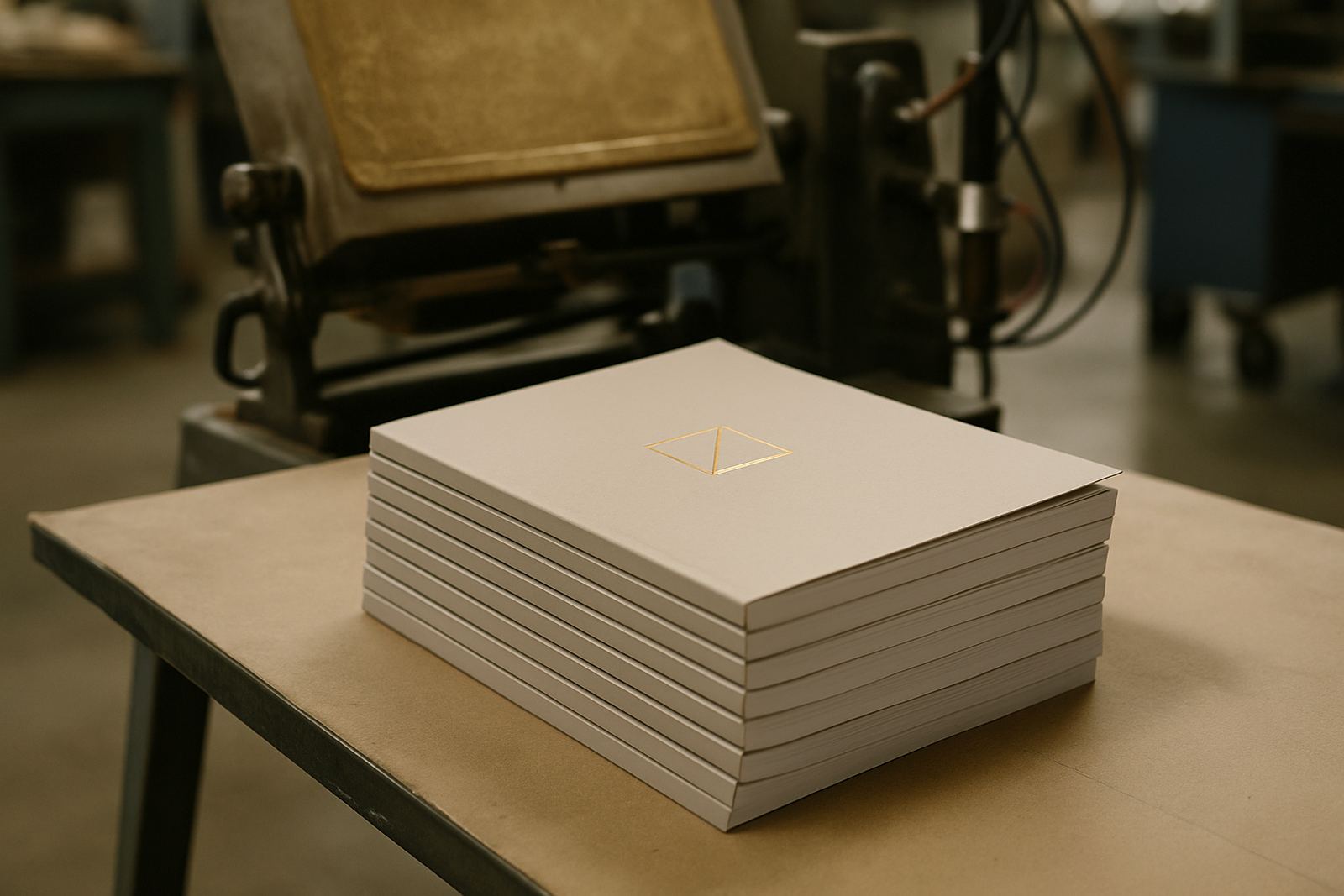
Finishing also affects how adverts are read. A foil finish on a cover can lift a special issue, while cover lamination helps protect against handling and humidity. In coastal deliveries, especially when magazines move through Durban or port towns, extra protection can help keep the cover in better condition. Die cutting may be used on special inserts or tabs, but it must be planned around the binding method.
- Saddle stitching works well for shorter runs and lighter page counts.
- Perfect binding is suited to thicker magazines and catalogues.
- Section sewing is useful when a publication needs a stronger spine.
- Cover lamination helps when copies will be handled often or stored for longer.
Balance revenue pages with editorial rhythm
A magazine earns revenue from adverts, but too many ad-heavy pages can push people away. The goal is balance. If every second page sells space, the issue starts to feel crowded and the content loses credibility. Editors and sales teams should work together to decide where advert breaks make sense.
One practical rule is to place adverts at natural transitions. A feature ends, a section changes, or a sponsored message sits beside a related topic. This keeps the reader moving instead of making them stop awkwardly. For advertisers, those better positions usually perform better because the magazine feels more considered.
For example, a Johannesburg publisher producing a property title for Sandton and the East Rand might place estate agent adverts alongside suburb guides, while leaving the stronger editorial pages uninterrupted. That structure respects the audience and helps the advertising sell itself. It also makes the publication easier to update for future issues.
Plan printing and dispatch around the sales deadline
In South Africa, many magazine schedules are tight. Sales teams need time to confirm bookings, creative teams need time to check artwork, and production still has to get the issue out the door on schedule. When the advert placement plan is late, the whole timetable can slip.
Printing House works from Industria in Johannesburg and delivers nationwide to publishers, with regular support for clients in Johannesburg Central, Randburg, Roodepoort, Midrand and Pretoria. That local base matters when a title has a hard closing date and copies must move quickly to distribution points, offices or events.
For publications with flexo or offset requirements, plus packing and dispatch, the best results come from a fixed page plan, clean files and clear sign-off. If a magazine is going to press during load-shedding periods or a busy seasonal run, fewer changes mean fewer delays. A well-planned advert map gives the production team room to keep the issue on time and within budget.
For publishers, the lesson is simple. Treat advert placement as part of the editorial architecture, not a last-minute fill-in. When the page plan is clear, the ads earn better positions, the reading flow stays intact, and the final magazine feels properly put together.