
What lamination actually does to a cover
Lamination is a thin protective film applied to a printed cover after printing and before finishing. It gives the cover extra strength against rubbing, fingerprints, corner wear and light moisture, which is useful for books and magazines that move through warehouses, bookshops, offices and courier bags. For South African print runs, that matters because a publication can spend time in hot trucks, on loading bays and in humid coastal conditions before it reaches the reader.
For publishers in Johannesburg, it is common to choose lamination on covers that need to hold up through repeated handling, especially for catalogues, training manuals, annual reports and magazine issues that sit on reception counters or in sales packs. It is not the same as a coating printed onto paper. Lamination is a separate finishing step, and the choice between gloss and matte changes both the look and the feel of the finished item.
Gloss lamination for bold colour and sharper contrast
Gloss lamination gives a shiny finish that makes colour appear stronger and text stand out clearly. It is often chosen when a cover needs strong shelf appeal or when photographs, product images and saturated colours carry the design. For magazine covers, event brochures and sales publications, gloss can make images look vivid and clean under indoor lighting.
There is a practical side too. Gloss covers usually wipe clean more easily, so they can be a good choice for publications that pass through many hands. On the other hand, glossy surfaces can reflect light, so if a design uses small type or a lot of fine detail, the shine may make reading slightly harder in bright rooms. That is worth thinking about when a publication will be read under office lights, in retail spaces or at trade counters.
- Best for covers with photography, bright colour blocks and strong contrast
- Useful for retail display, launches and high handling situations
- Can show fingerprints and reflections more clearly than matte
Matte lamination for a softer, quieter finish
Matte lamination gives a smooth non-shiny finish. It tends to look more understated and formal, which suits corporate reports, academic titles, premium books and publications where the design relies on spacing, typography and a calm colour palette. The surface has less glare, so text is easier to read in many lighting conditions.
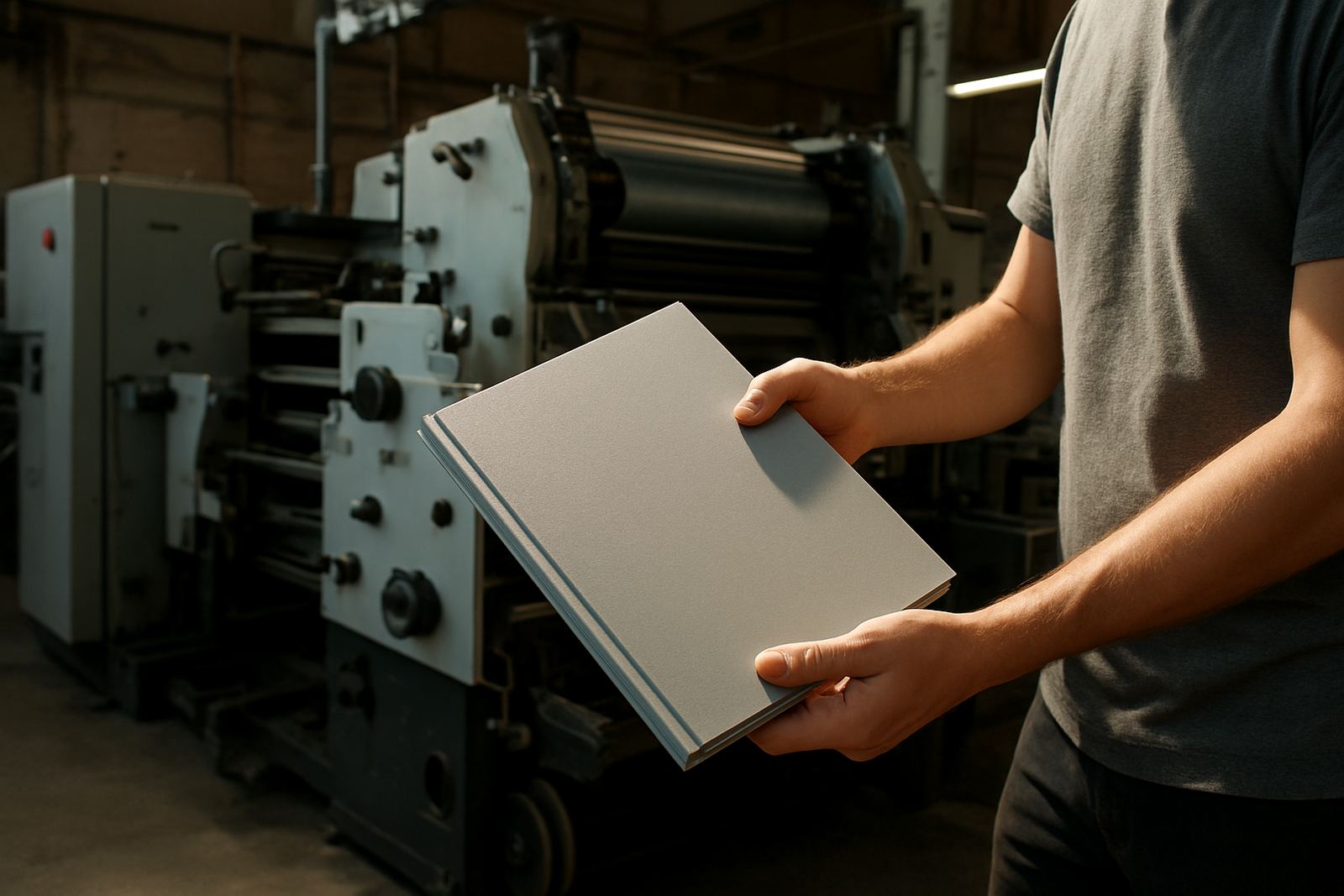
Matte also changes the feel of the cover in the hand. Many clients like it because it feels controlled and professional, without the bright reflection that gloss creates. It is a sensible option when the cover design is already busy, or when the publication needs to present a more serious tone. In some jobs, the softer finish also helps bindery details such as foil, embossing or spot varnish stand out better. The result can be very effective, even if the cover itself looks quieter at first glance.
- Good for reports, premium books and text-heavy covers
- Reduces glare in bright rooms and office lighting
- Works well where a restrained, professional look is needed
How to choose the right finish for your publication
The right lamination depends on what the cover must do, not only how it looks on a proof. A children’s title, a magazine with strong photo content, and a corporate annual report all have different needs. Think about how long the publication must last, how often it will be handled, and where it will be stored. A book sold in coastal towns may need more protection than one that sits mostly in an air-conditioned office in Sandton.
There are a few practical questions to ask before you approve a finish:
- Will the cover be handled daily or only once in a while?
- Is the design image-led or text-led?
- Will the publication travel by courier, be packed in cartons, or sit on display?
- Does the project need a premium look or a clean utility finish?
- Are you combining lamination with foil finishing or die cutting?
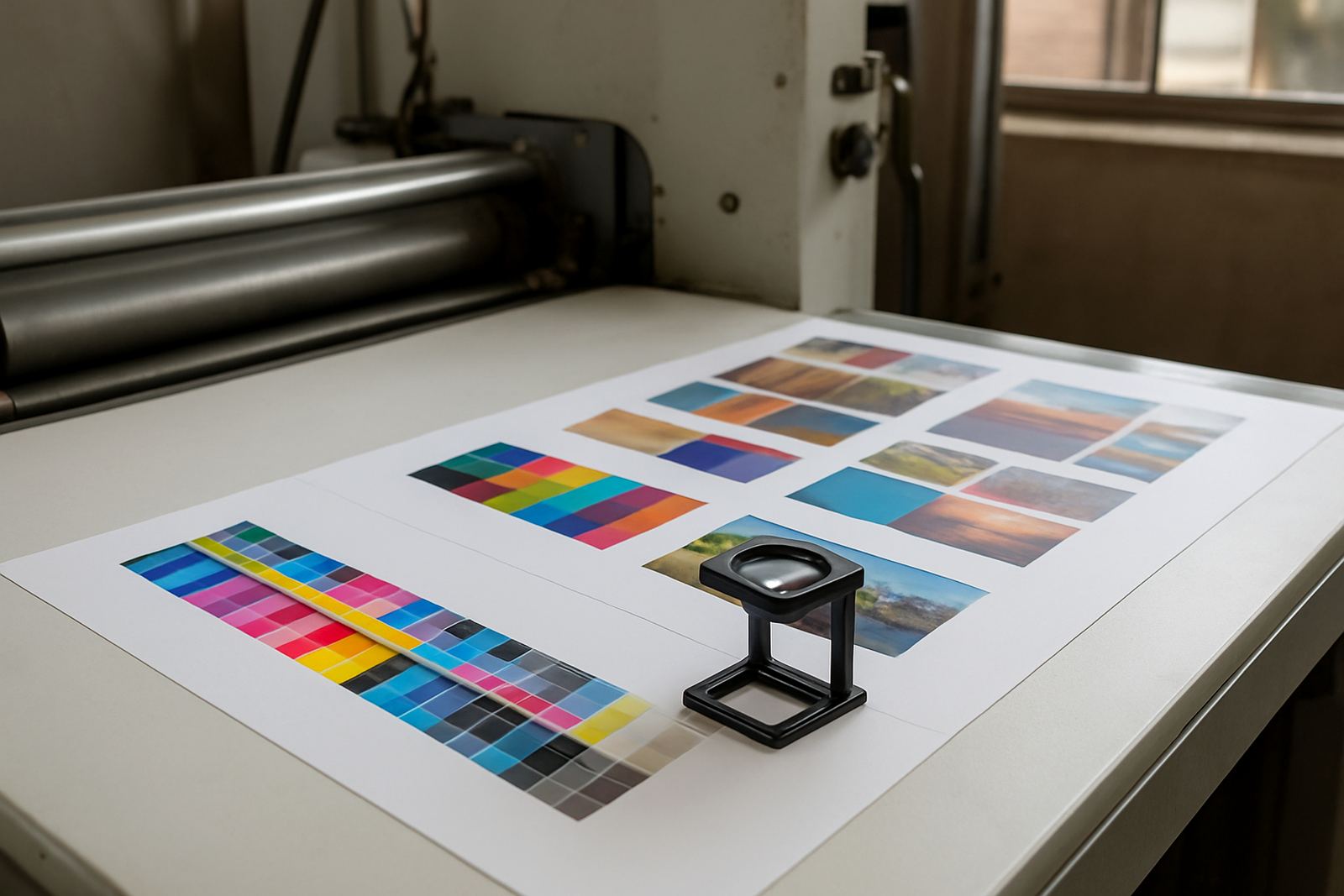
For some covers, the answer is not about gloss versus matte only. It is about the full finishing sequence and how the cover stock, inks and binding method work together. A cover with heavy ink coverage may behave differently from a light, minimal layout. That is why prepress checks and colour proofing matter before the final run starts.
Why Johannesburg print runs need finishing that can travel
From Industria to Midrand, Pretoria and the East Rand, publications often move through a few hands before they reach the reader. That journey can include delivery trucks, storage in warm rooms, loading bays and back offices where the aircon is not always on. Lamination helps protect the printed surface during that journey, which can reduce wear on the corners and keep the cover looking presentable for longer.
For publishers delivering nationwide, the needs are even more varied. A title sent to Durban may face humidity, while one headed inland may deal with dry air and dust. Gloss and matte both protect, but they behave differently in use. Gloss is often chosen where the publication must keep a vivid, polished look. Matte is often chosen where the client wants less glare and a more restrained presentation. At Printing House in Industria, these are the kinds of practical decisions that get discussed before a job goes to press, because the finish should suit the route the publication will actually travel.
A local example: choosing between gloss and matte for a launch book
Consider a Johannesburg publisher preparing a 2 000 copy run for a launch event in Rosebank, with stock also going to Pretoria, Randburg and Cape Town. The book has a full-colour cover, strong portraits and a short title. In that case, gloss lamination may suit the energy of the project because it supports the photography and gives the cover a sharper retail look.
Now compare that with a business title for boardrooms and client gifts. If the same publisher wants the book to feel calm, modern and easy to read under office lighting, matte can be the better fit. The content may be the same quality, but the finish changes how people respond to it. That is why a good print partner will look at the use of the book, the audience and the binding style, not just the artwork on screen.
There are also cost and production points to keep in mind. Lamination adds a finishing step, so it should be planned into the schedule along with binding, trimming, packing and dispatch. If the project is tight on time, the finishing choice must fit the production window too, otherwse the delivery date starts to slip. A clear plan avoids last minute changes and keeps the print run moving cleanly through the shop floor.
Getting a finish that matches the job
Gloss and matte are both useful, but they solve slightly different problems. Gloss brings brightness, contrast and a more noticeable shine. Matte brings a softer appearance, lower glare and a quieter feel. Neither is automatically better. The best choice depends on the publication, the audience and the way the item will be used after it leaves the bindery.
For publishers, authors and businesses, the safest approach is to decide on the finish early, before artwork is signed off. That gives time to check how the cover stock, lamination, binding and any extra finishing will work together. A good cover should not only look right on the day it is printed, it should still look decent after the courier run, the launch table and the first round of handling.
At Printing House, our focus is on helping clients choose a finish that suits the real job in front of them, whether the order is going to Johannesburg Central, Sandton or a national delivery list.