
Start with the magazine’s job, not just the look
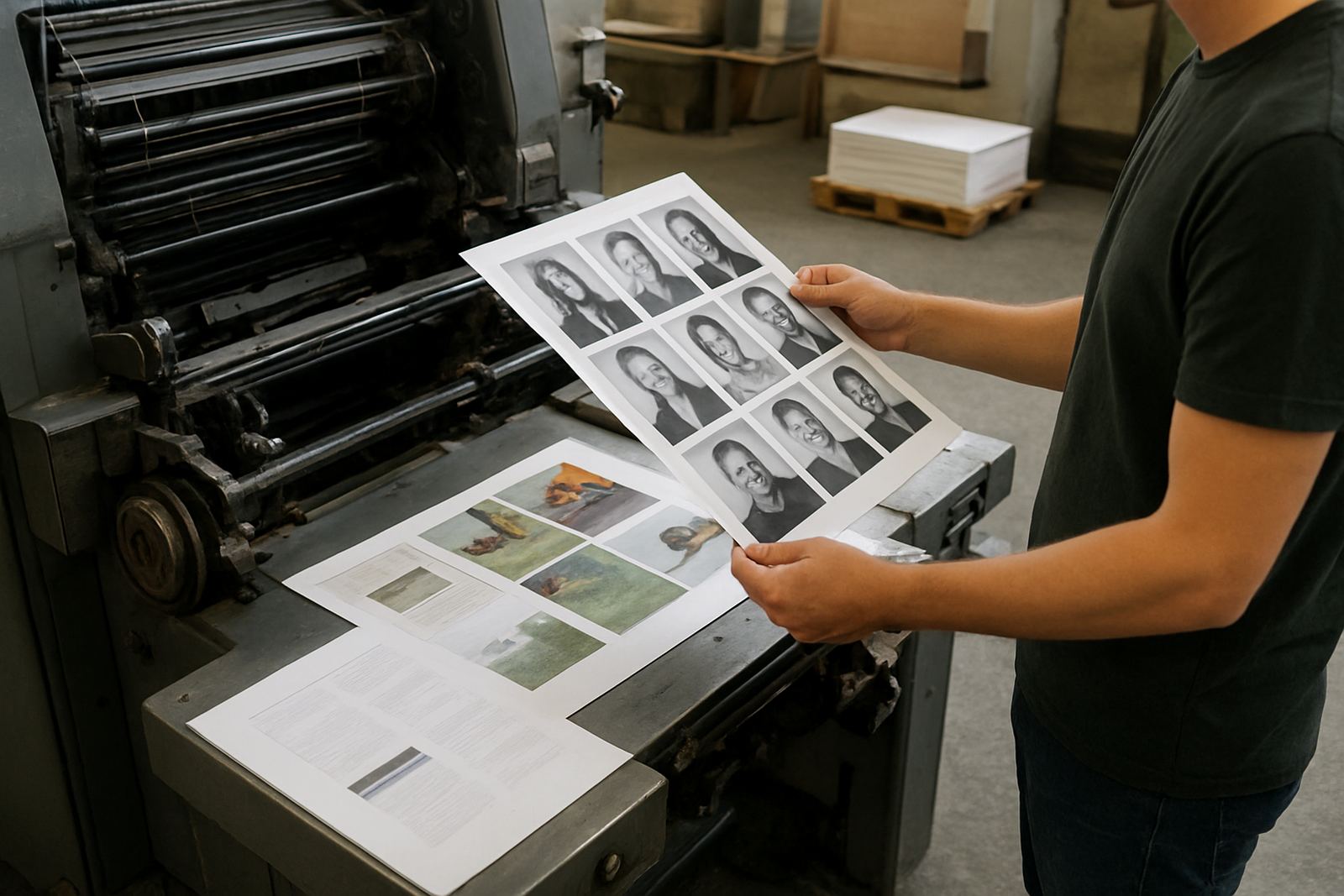
The right paper choice starts with how the magazine will be read. A fashion title, a trade bulletin and a member magazine all need different handling, different colour response and a different feel in the hand. For publishers in Johannesburg, the first question is usually whether the magazine must feel premium, travel well, or keep costs under control across a larger print run.
At Printing House in Industria, we often look at the cover and inner pages separately because they do not need the same stock. A heavier cover can give the publication more structure, while the inside pages can be lighter to keep the total page count manageable. That matters for mailing, packing and storage, especially when copies are going out to Sandton, Randburg, Pretoria, or further afield to publishers nationwide.
Before choosing a sheet, consider these practical points:
- Will the magazine be handled in offices, retail spaces, or at events?
- Does the publication rely on strong photography or mainly text?
- Is the budget tight, or is a more polished finish worth the extra Rand?
- Will the copies be posted, packed in cartons, or displayed in stores?
Coated paper gives sharper colour and cleaner image detail
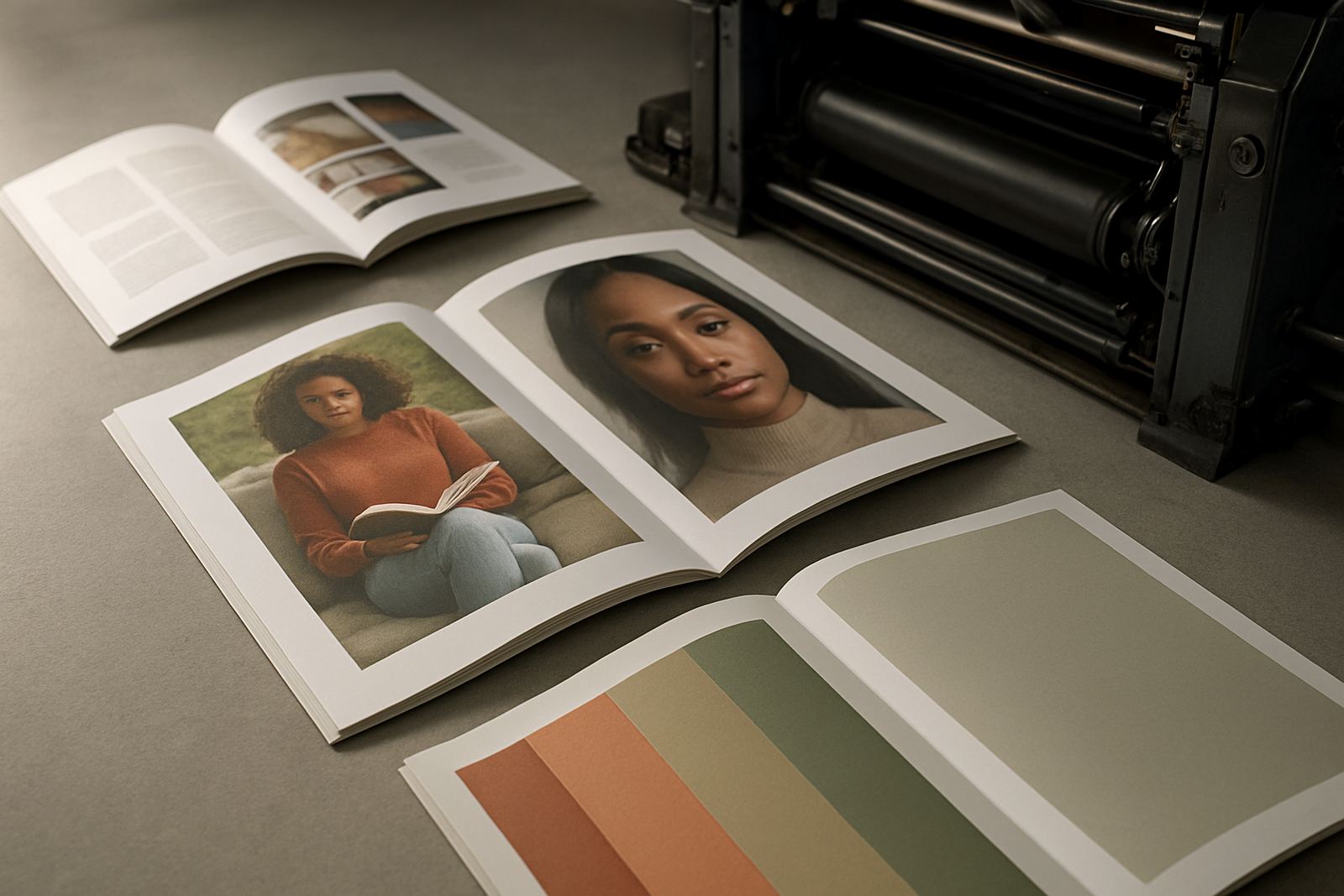
Coated paper is the common choice for magazines that carry photography, adverts or full colour artwork. The coating helps ink sit on the surface, which usually gives stronger contrast, smoother tints and cleaner detail. That is useful for lifestyle, corporate, automotive and retail titles where images must look consistent from page to page.
There are different coated finishes, from a glossier look to a more muted silk style. Gloss tends to make colour feel brighter, while silk gives a softer reading experience with less glare. For magazines that will be read under office lighting or in reception areas, silk is often easier on the eye.
Coated stock is not only about appearance. It also helps keep spreads more consistent on long runs, which is important for offset printing. When the artwork is well prepared and the prepress checks are done properly, coated paper can hold small type, fine rules and rich images with good control.
- Best for full colour editorial pages
- Good for heavy image coverage and ad sections
- Often chosen for premium corporate magazines
- Works well with lamination or foil on covers
Uncoated paper suits text-heavy reading and a more natural feel
Uncoated paper has a more open surface, so it feels softer and more natural in the hand. It is a practical choice for publications that carry a lot of reading matter, interviews, reports or educational content. The finish absorbs more ink, so colours can look slightly less bright than on coated stock, but many publishers like the calmer, less reflective result.
For magazines with a serious editorial tone, uncoated pages can make long articles easier to read. They are also useful when a title needs a warmer, more understated look. If the publication includes maps, charts or small text, the design and proofing need to be managed carefully so the detail still reads clearly. Small typographic choices matter here, and a paper sample is worth checking before a full run.
Uncoated paper can also be a sensible option for local organisations that want a more economical publication without losing quality. It can reduce glare on the page and, in some cases, help with write-on areas if forms or notes are included.
Weight, bulk and page count all change the final cost
Paper weight affects more than feel. It changes bulk, postage, carton size and the way a magazine opens on the page. A lighter sheet can reduce weight and shipping costs, while a heavier sheet gives more body and a firmer finish. The trick is to find the balance between a good reading experience and a practical production budget.
For a magazine printed in Johannesburg and distributed to Pretoria, Midrand, the East Rand and coastal towns, weight can make a real difference to freight and dispatch planning. A slightly lighter inner stock may save enough to make mailing easier, especially when copies go out monthly. On the other hand, a publication with frequent handling or display use may justify a heavier grade.
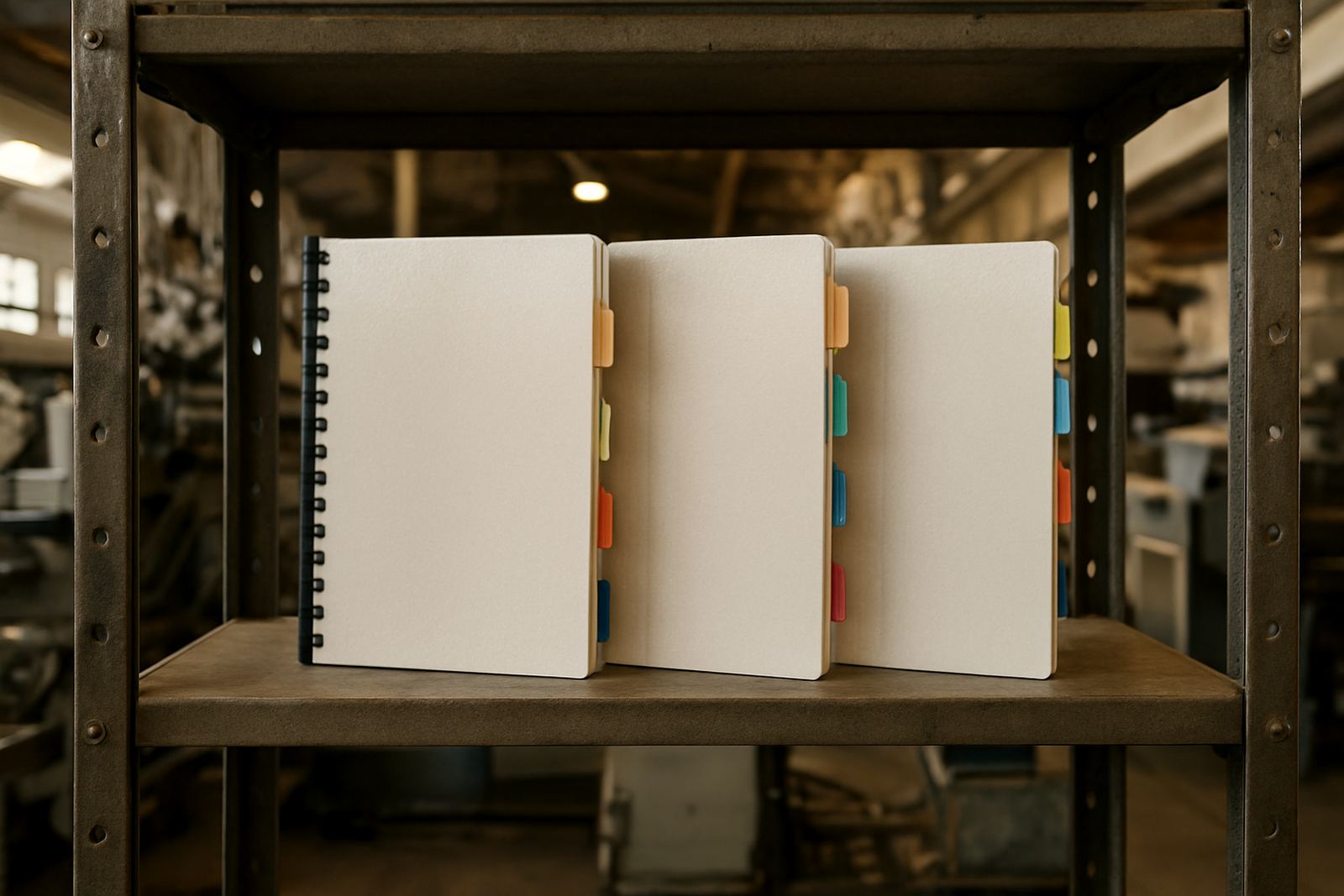
As a rule, think in terms of the whole publication rather than a single page. Cover stock, binding style and page count all work together. A perfect bound magazine with a heavier cover will feel very different from a saddle stitched publication using the same inner paper.
- Lighter paper lowers mailing weight
- Heavier paper can improve durability
- Bulk affects how the magazine opens and lies flat
- Page count and binding style influence the final thickness
South African climate and handling conditions matter more than people expect
Paper choice should suit local conditions. In coastal humidity, some stocks can feel softer or take longer to settle after printing. In Gauteng, dry air and temperature changes can affect how pages stack, especially when large volumes are packed soon after production. That is why finishing, drying time and dispatch planning all need to be considered together.
Magazines that travel through different parts of South Africa may be handled in warehouses, offices and retail counters before they are read. If the title will sit in a car boot, be moved between branches, or spend time in a reception area, a tougher paper and a suitable binding method can help it keep its shape. For publications going to coastal towns, extra care with packing and cover protection may also be worth considering.
At our Industria base, we often advise on paper selection alongside binding and finishing so the final magazine is suited to real use. It is not only about how the first copy looks on the press sheet. It is also about how the publication behaves after delivery.
A simple paper brief makes printing smoother from prepress to dispatch
The best results usually start with a clear brief. When the paper choice is decided early, the team can plan colour proofing, image preparation, folding, binding and packing with fewer surprises. That saves time and helps avoid rework when the magazine is already in production. A good brief also makes it easier to compare options if the publication is printed regularly.
For example, a business magazine in Johannesburg Central may want a coated inside stock for strong advert pages, with a matt cover and foil detail on the masthead. A regional membership magazine might choose uncoated inner pages and a laminated cover for durability. Both can work well, but the paper needs to match the content, budget and distribution plan.
When publishers send through the page count, image mix and distribution areas, it becomes much easier to recommend the right stock. That is especially helpful if the magazine will be printed in batches, sent across branches, or dispatched nationwide.
- Share the page count and likely print run
- Explain whether photography or text carries the issue
- State if the magazine will be mailed, packed or displayed
- Request samples before confirming the final stock