
Why proofing is the last safe place to catch mistakes
Once plates are made and a run is under way, every correction costs more time and money. That is why proofing before production matters so much for publishers, authors and businesses printing in Johannesburg and sending work nationwide. A proof gives you one last proper look at the content, layout and colour before the full job starts, and it is far easier to adjust a page on screen or on a short proof than to stop a press run halfway through.
In practice, the sign-off stage is about control. You confirm the wording, page sequence, image placement, trim size and finishes before the bulk of the paper is used. For a publisher in Midrand or Sandton, that can be the differance between a clean launch and a costly reprint. For short runs and larger magazine orders alike, the same rule applies: check it carefully first, then approve it.
What a good proof should show you
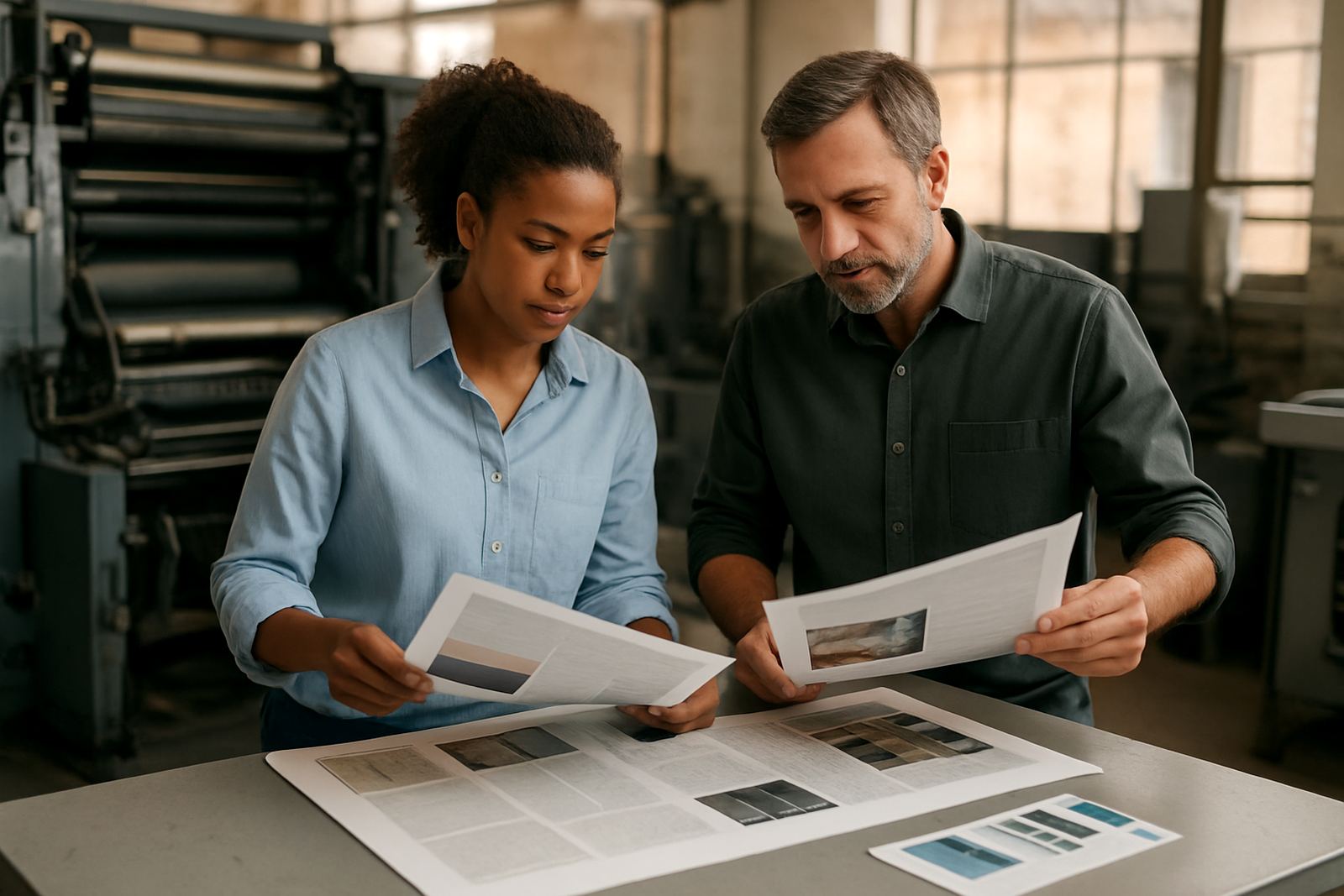
A proper proof is not only about spelling. If you are printing on coated stock, uncoated stock or heavier covers, the proof should reflect that as closely as possible. It also helps to compare the proof against the final page plan so you can spot missing content or a page that has shifted out of order.
- Headings, body text and captions checked line by line
- Page numbers in the correct order
- Images placed correctly and not cropped off at the edge
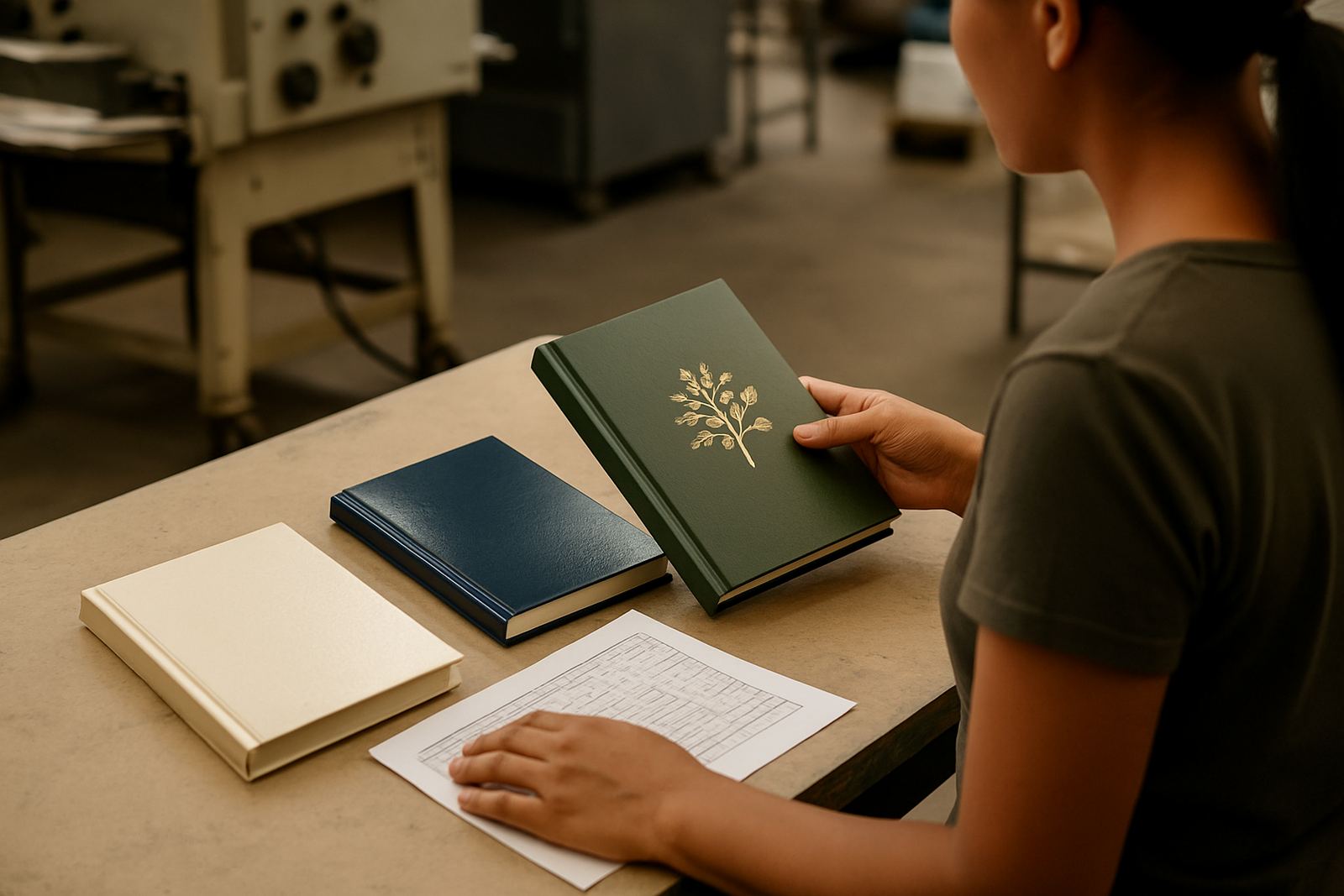
- Colours approved against your expected printed result
- Trim, folds and binding allowances confirmed
At Printing House, prepress checks and colour proofing work hand in hand. That makes it easier to catch problems early, before offset printing or flexo printing begins. It also gives the client a clear view of what will be produced, so there are fewer surprises when the job reaches bindery and packing.
Pagination errors cost more than you think
Pagination sounds simple, but it is one of the easiest things to get wrong on a publication with chapters, adverts, inserts or index pages. A missing page can throw out the whole section order. A late amendment can shift a page break and leave a widow line or an orphan heading in an awkward spot. If a magazine has 48 pages and one advert is moved, the whole flow may need a reset before the sign-off can happen.
For books, pagination affects the spine, the sectioning and sometimes the bindng method itself. Saddle stitching, perfect binding, case binding and section sewing all depend on the pages being arranged correctly. If the page count is not final, or if the inner pages are not in the right sequence, the finished book may open badly, sit unevenly or leave a thin spine that does not match the cover text.
Colour proofing matters even more in South African print runs
Colour on a screen and colour on paper are never the same thing. Local printers also have to work around paper availability, humidity in Johannesburg summers and the practical realities of load-shedding, which can affect production planning and drying times. That is why it helps to approve colour from a proof rather than guess from a monitor. A blue that looks clean on screen can print darker, while skin tones, greys and brand shades may shift more than expected.
Whether your publication is going to Pretoria, Roodepoort, the East Rand or coastal areas such as Durban and Gqeberha, the finished product needs to hold up once it leaves the press. Proofing gives you a stable point of reference. It is also useful when a publication uses different paper stocks, because the same ink can behave slightly differently from one sheet to the next. One careful proof now saves argument later, and it keeps the job moving with less back-and-forth.
- Check colour on the actual stock where possible
- Approve solid areas, images and greys separately
- Confirm that black text reads cleanly against pale backgrounds
- Look out for moiré, banding or dull patches in pictures
How publishers and authors should sign off a job
The best sign-off process is practical and quick. First, read every page with a clean copy of the manuscript or final artwork next to you. Then check the sequence from cover to back cover, including front matter, contents, adverts and any inserts. After that, confirm the finishing details such as lamination, foil finishing, die cutting or the type of binding being used.
It is wise to involve the right person at each stage. An editor can catch language issues, a designer can spot layout problems, and a production lead can confirm whether the chosen finish suits the paper and binding. At Printing House, our team includes a Production Manager, Prepress Supervisor, Client Services Lead, Bindery Coordinator, Press Operator and Logistics Planner, so the proofing chain has the right eyes on it before production starts. That keeps the process tidy and reduces waste.
- Use one final source file, not multiple old versions
- Mark corrections clearly and return them in one round where possible
- Approve only when text, images, page count and finish are all correct
- Keep a copy of the signed proof for your own records
A local example from Industria to nationwide delivery
Picture a Johannesburg publisher in Industria preparing a 96 page magazine for a national release. The editorial team finishes late, the ads arrive from different clients, and the cover needs one more colour adjustment before print. Without proofing, the printer could start the job with a page missing or a caption sitting too close to the trim. With proofing, those issues are corrected before the press starts, and the pages line up properly for perfect binding and dispatch.
That kind of control matters whether the order is going to Sandton offices, a Randburg distribution point or a publisher in Pretoria waiting for stock before a launch event. When the proof is signed off carefully, the print run can move with confidence through press, finishing, packing and dispatch. The result is simple: the publication looks right, reads right and arrives ready for sale.
What to remember before you approve
Proofing is not a formality. It is the point where content, colour and pagination are tested against the actual production plan. If you rush it, small errors can turn into expensive reprints or delayed deliveries. If you do it properly, you protect the reputation of the publication and the budget behind it.
Whether you are printing a magazine, a catalogue, a book or a seasonal title, take the time to check the proof closely. Look at the words, the pages, the colour and the finish. Once it is approved, the team can move ahead with less risk and a lot more certainty.