
Start With The Job's Real Purpose
Choose a finish according to what the publication must do in the market. A trade paperback for regular sale has different needs from a prestige annual report, a magazine insert or a short-run company profile. The right finish supports the content, while the wrong one can add cost without giving any real benefit.
In Johannesburg, publishers often work to tight store dates, author launches and distributor schedules, so the finishing plan must be set early. If the book is going to sit in a retail chain, travel through courier hubs or be handled at events in humid coastal towns, the cover and binding need enough protection to cope with that journey.
Which Finishes Push Up The Budget
Some finishes add labour, some need extra materials, and some need both. The more steps after printing, the more time and handling the job needs. That means higher cost, especially on shorter runs where set-up is shared across fewer copies.
- Lamination: Adds a protective film to the cover and improves wear resistance.
- Foil finishing: Uses metallic or coloured foil for titles, logos or lines.
- Die cutting: Creates shaped openings, windows or custom cover forms.
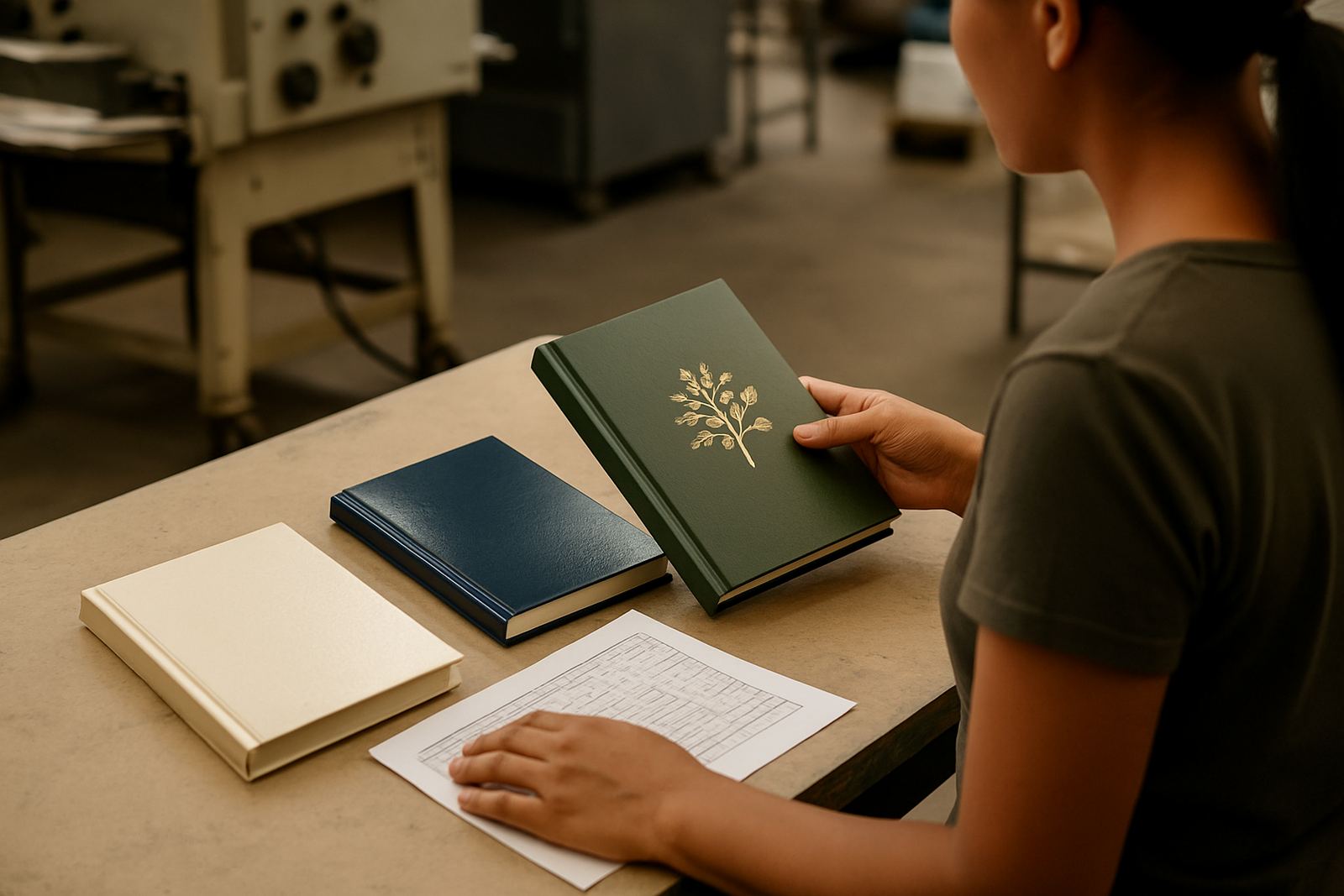
- Case binding: Requires board, covering material and more bindery labour.
- Section sewing: Adds strength and a better opening action, but takes longer than simpler binding methods.
A gloss laminate on a 64 page magazine cover is usually a modest increase, but a combination of laminate, foil and die cutting on a 300 page hardcover will raise the total quite quickly. It is not unusual for finish choices to shift the quotation more than a paper upgrade does.
How Finishes Affect Lead Time
Lead time changes because finishing is often the most sequential part of production. Printing can run in large sheets, but finishing usually needs passing, drying, trimming, folding, gathering and binding in order. If one step is delayed, the next step waits.
For example, foil work and lamination may need extra curing or cooling before the cover can move to bindery. Case binding and section sewing are even more time-consuming because the book block has to be prepared with care. If you are planning a launch in Sandton or a national distributor release, build in an extra buffer for proof approval and post-print finishing. A 3 day delay in approval can become a 7 day delay in dispatch.
- Short runs with several finishes usually take longer per copy than longer runs with fewer options.
- Weather matters too, especially in coastal humidity where paper and board can move slightly.
- Load-shedding can affect machine scheduling, so it helps to allow a bit of slack in the plan.
Choosing The Right Binding For The Budget
Binding is one of the clearest places where cost and finish quality meet. Saddle stitching works well for thinner magazines and booklets, and it is usually the fastest option. Perfect binding is popular for paperbacks and reports because it gives a neat spine and a more retail-friendly finish. Case binding costs more, but it suits prestige titles, reference books and long-life publications.
If your publication has heavy imagery or needs to open flat for reading, section sewing can be worth the extra spend. It improves durability and gives a better feel in the hand. For a school or training manual used every day, that extra cost may be lower than the cost of reprints caused by damaged spines.
A Local Example From Industria
A publisher in Pretoria may ask for 2,000 copies of a 128 page magazine with a laminated cover, spot foil on the masthead and saddle stitching. Another publisher in Johannesburg Central may want 500 copies of a soft cover book with perfect binding and no decorative finish. On paper, both are print jobs. In practice, they are very different budgets and production paths.
At our Industria base, the first job needs more finishing steps, more handling and a longer slot in the schedule. The second job is simpler and faster, but it may need closer attention to spine strength if the paper weight is heavier. That is why it helps to compare not only unit price but also how many touch points each option adds.
Practical Ways To Control Finishing Spend
If the quote is moving beyond your target, reduce complexity before you cut quality. Often a smart simplification gives you a better return than shaving a few cents off paper or ink. It also lowers the risk of hold-ups during busy production periods.
- Use one strong finish on the cover instead of three small decorative effects.
- Choose a binding style that suits the page count, not the most expensive one available.
- Keep special finishes for the spine or title area only.
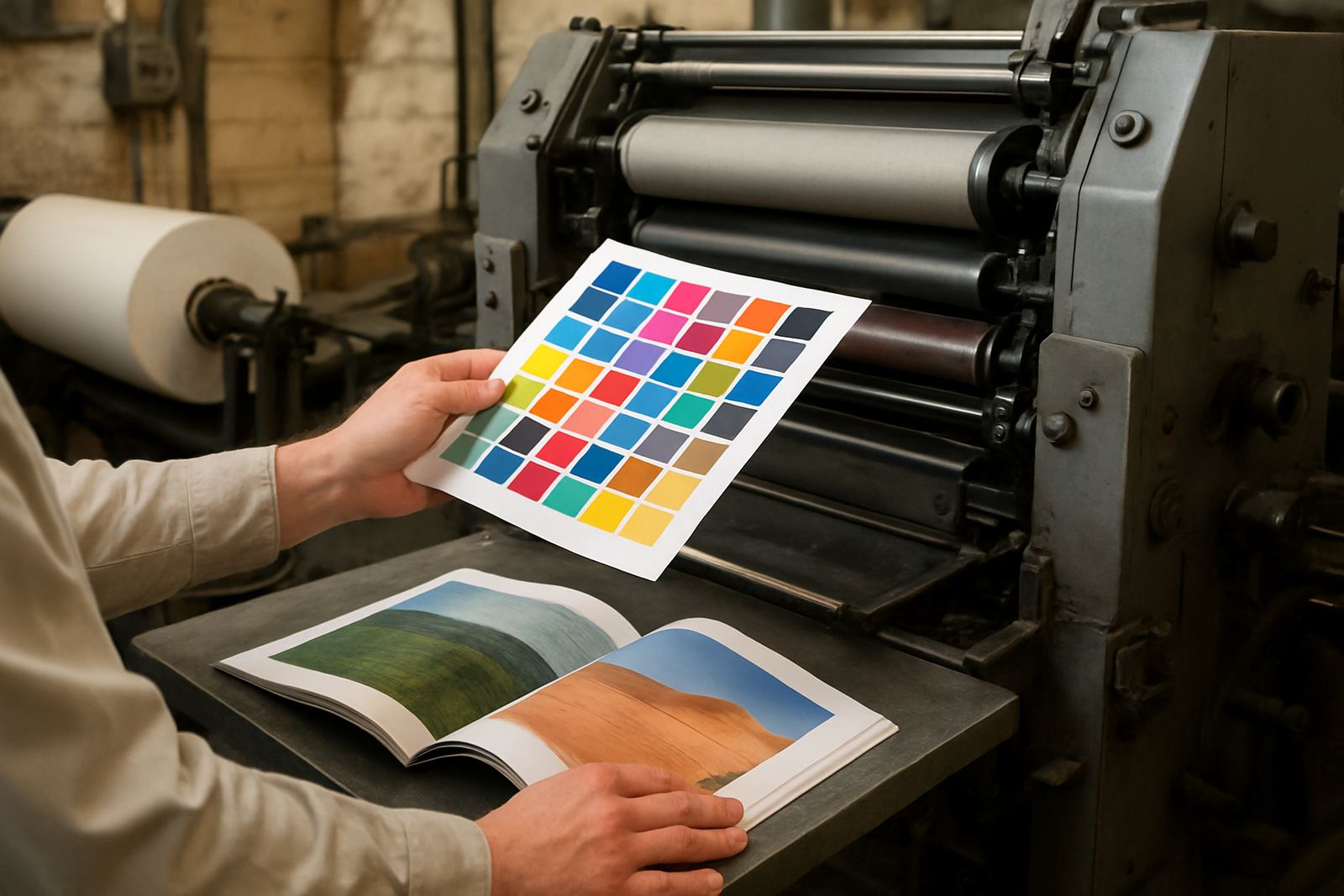
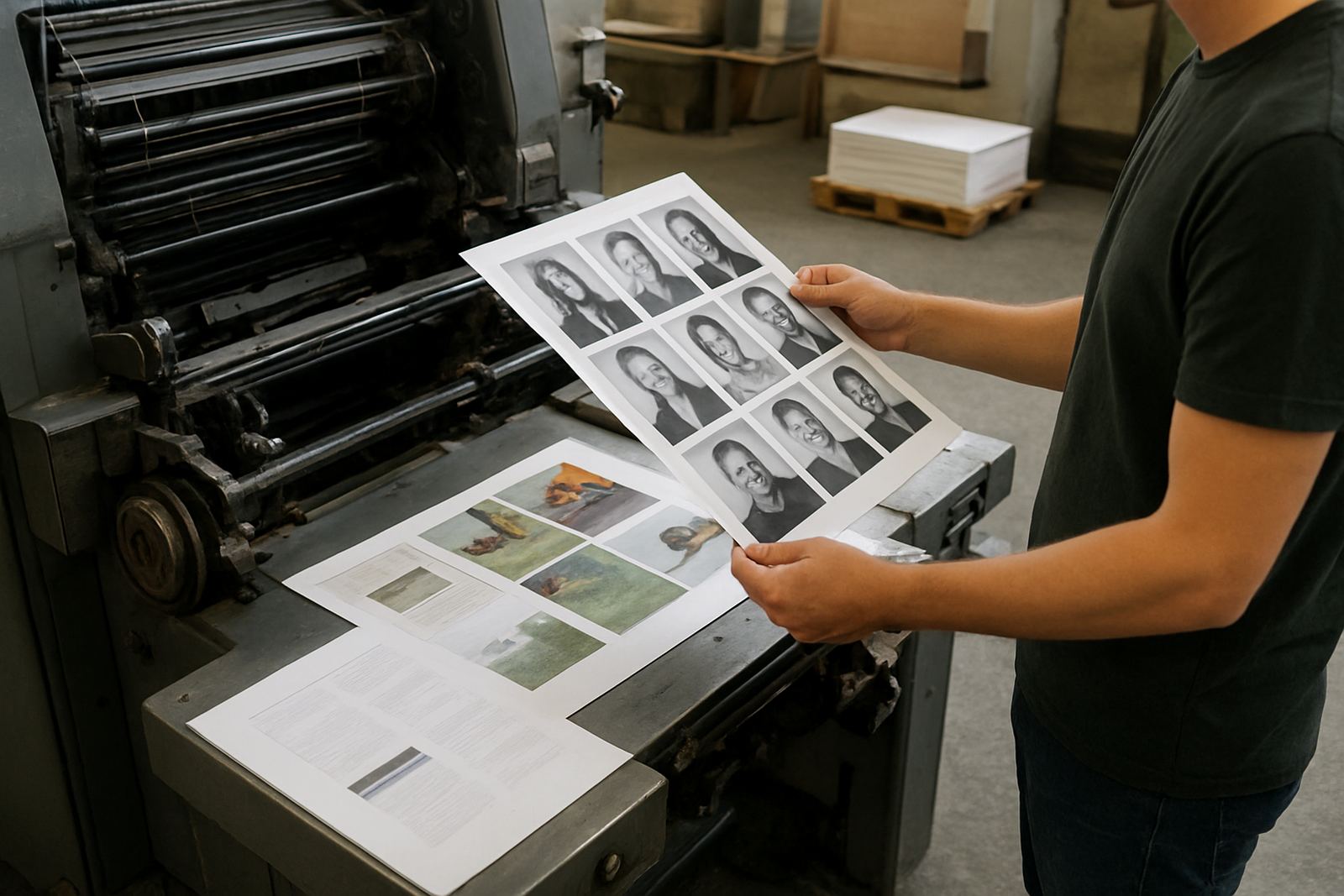
- Approve artwork early so prepress checks and colour proofing do not slow the bindery.
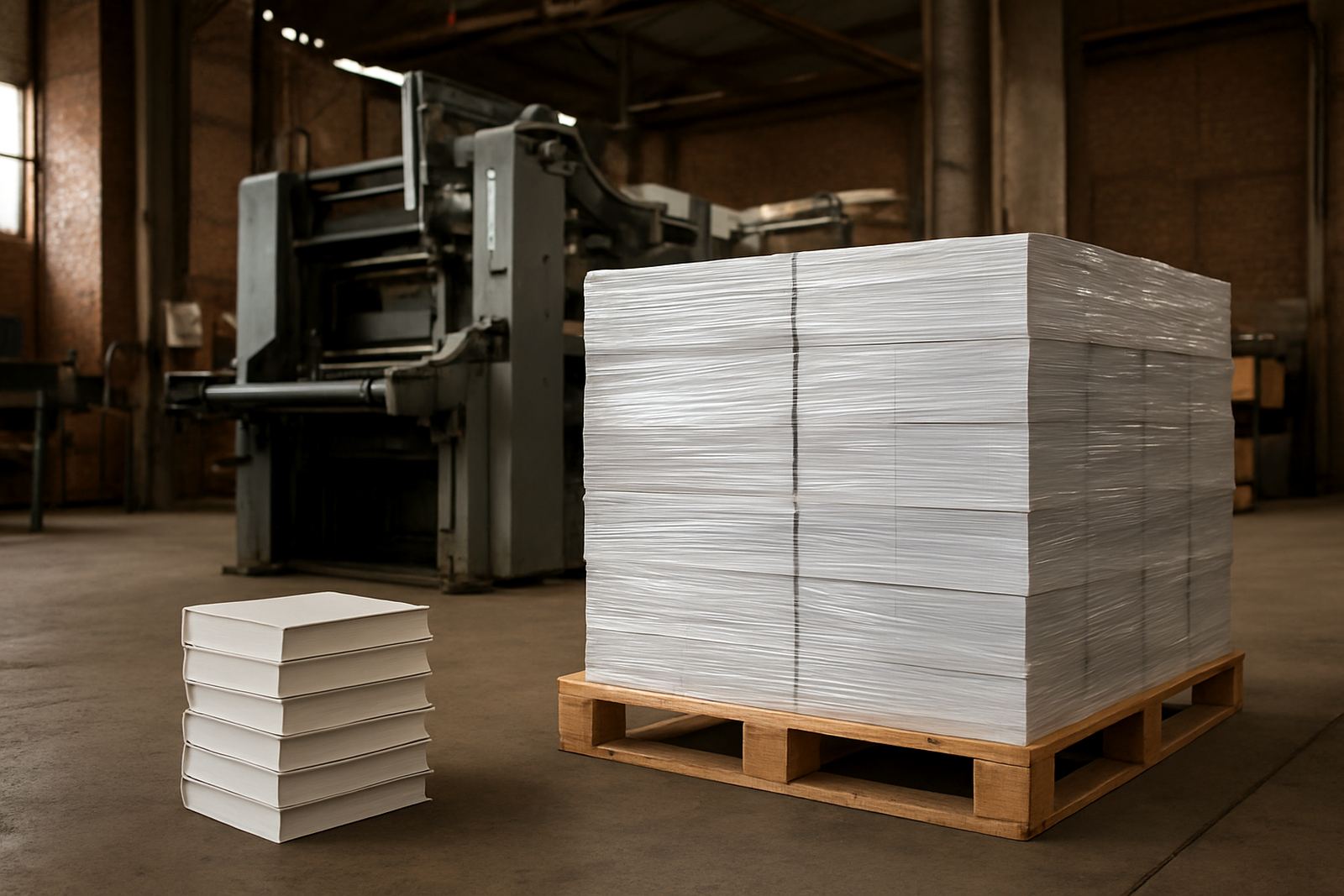
- Order enough copies for the full distribution cycle, because re-running a small batch later is often more expensive.
In many cases, the smartest spend is a clean, well printed publication with one finish done properly. That is usually better than adding features that only look good on the quote.