
When sewn sections earn their keep
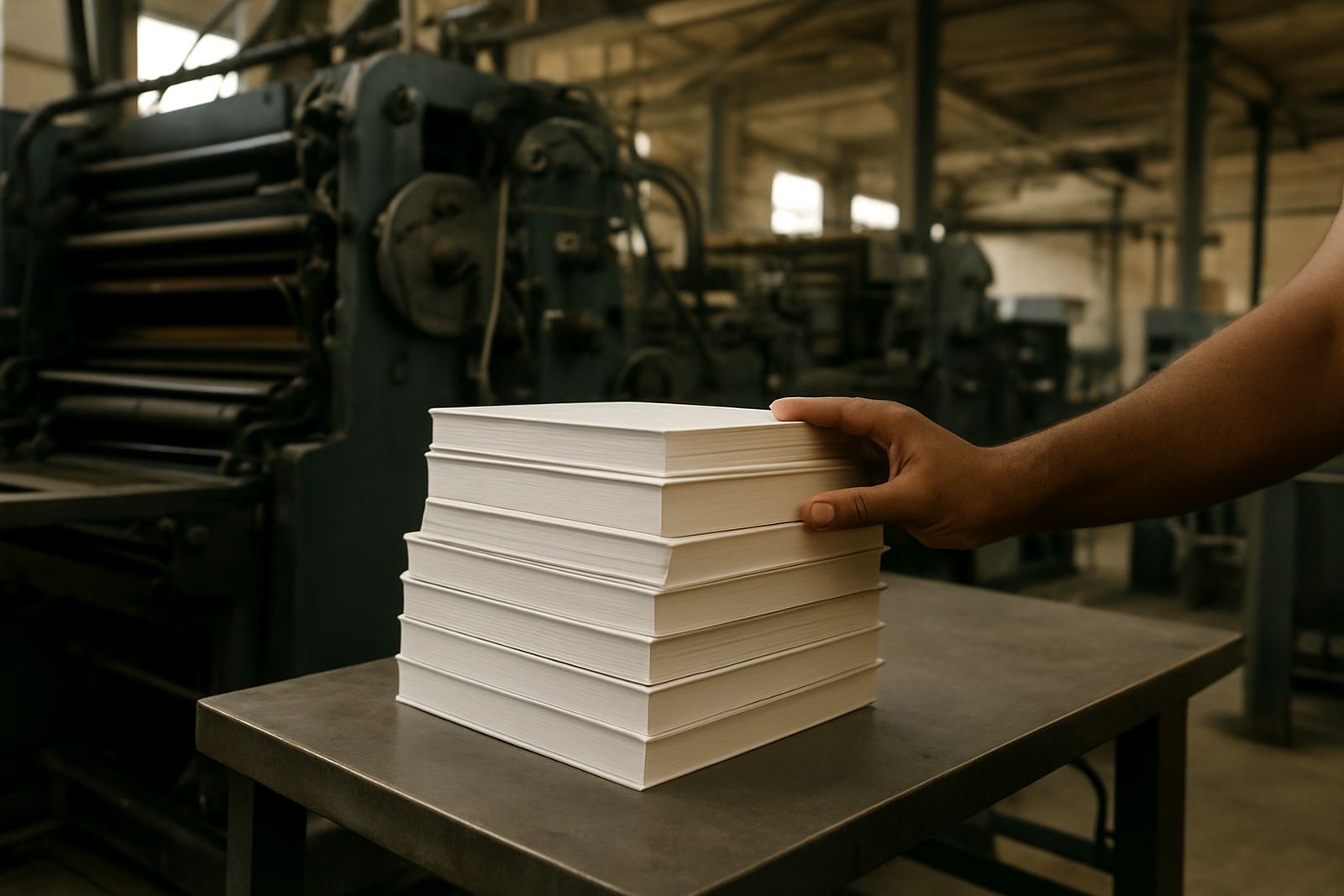
Sewn sections are worth considering when a book will be handled often, opened flat, or kept for years. That includes reference books, school and training material, premium trade titles, catalogues and certain magazines that need a stronger binding finish than standard adhesive only work.
The main gain is mechanical strength. Pages are grouped into sections, stitched together and then attached to the cover block. That gives the spine more hold, especially on thicker books where the opening pressure can work loose over time. If a title is going into libraries, corporate boardrooms or retail shelves in Gauteng and beyond, the extra structure can make a real difference.
- Better page retention on heavier books
- Improved opening for reading across long sessions
- Longer usable life under frequent handling
- Cleaner spine performance on thicker page counts
The page count and paper weight sweet spot
Not every title needs sewn sections, and not every budget should carry the cost. The best value often appears on books with enough pages for the spine to work hard, especially when the stock is heavier or the publication is expected to stay in use for years.
A slim 48 page booklet may be better suited to saddle stitching, while a 192 page annual report, study guide or hardcover business book can justify sewn binding. Paper weight also matters. Heavier inner pages put more stress on the binding line, so the stronger method becomes more practical. In Johannesburg, where many publishers balance local sales with national distribution, choosing the right finish first can prevent returns later.
- Short booklets usually do not need sewn sections
- Thicker titles benefit more as page count rises
- Heavier paper adds strain on the binding
- Reference and library books usually justify the upgrade
For publishers working under tight lead times, this decision should happen before prepress is signed off. Changing binding late can affect spine width, cover layout and packing.
Sewn books for easier everyday reading
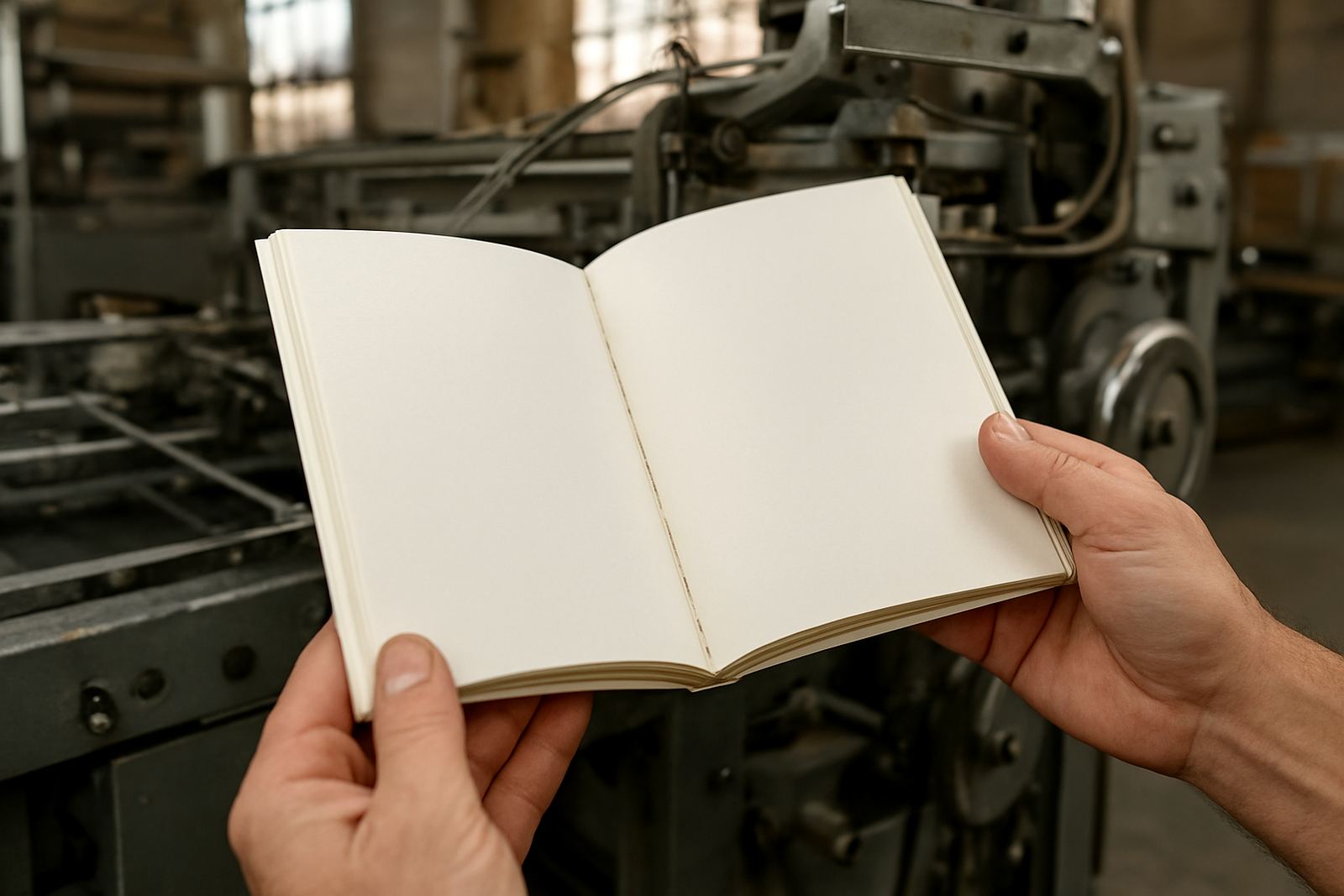
Sewn sections make a noticeable difference in use. A sewn book tends to open with less resistance and lie flatter, which matters on cookbooks, textbooks, manuals and any title where users keep one hand on the page while working. That is useful in offices, classrooms and homes alike.
There is also less pull on the first and last pages. With glue only binding, those pages can take more strain near the hinge. Sewn sections distribute that stress across the spine in a more controlled way. For authors and publishers who want the book to feel considered, not rushed, that is part of the value.
- Flatter opening for easier reading and note taking
- Less strain at the start and end of the text block
- More stable feel in the hand
- Better suited to frequent reference use
Where sewn binding helps after print day
South African books do not live in perfect conditions. They move through courier depots, bookshops, office shelves, conference tables and sometimes humid coastal storage rooms. In Durban or Maputo, moisture can test a binding. In Pretoria or Midrand, dry air and aircon can also affect paper movement. Sewn sections do not solve every storage issue, but they do give the book more tolerance.
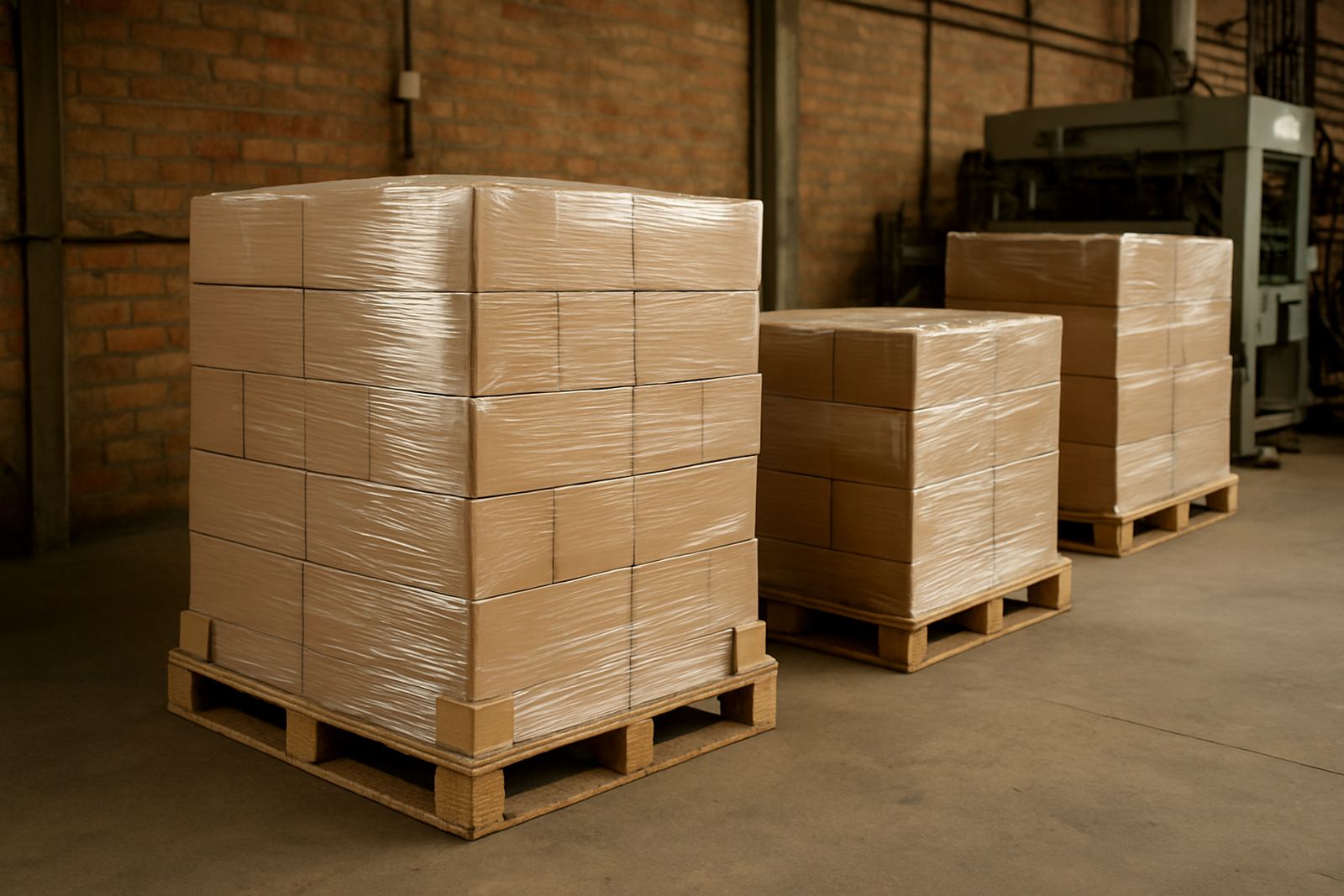
That added tolerance becomes important when a print run must survive packing, dispatch and repeated opening over months. If the title is going to schools, churches, training centres or field teams, a better binding can reduce damage before the book even reaches the reader. Load shedding can also slow production planning, so making the correct finishing choice early avoids panic on a tight handover date.
Practical signs that sewn binding may help:
- The book will travel nationwide and be unpacked many times
- The title will be used outdoors, in vans or on site
- The publication must stay presentable for a long shelf life
- The client expects a stronger feel for a premium range
How sewn sections compare with other bindings
Saddle stitching works well for lighter publications and keeps costs down. Perfect binding suits many paperback titles and is common on books that need a neat spine. Case binding is for hardcovers where presentation and protection are top priorities. Sewn sections sit in the middle for many projects, giving better durability than basic adhesive binding while staying more economical than a full hardcover build.
The right choice depends on the brief, the page count and how the book will be used. A publisher in Industria may choose sewn sections for a study guide that must last the whole academic year, while a sales brochure for a Sandton event might only need glued binding and lamination. Matching method to use is where the savings are made.
- Saddle stitch for short, lighter publications
- Perfect binding for many paperback books
- Sewn sections for stronger everyday handling
- Case binding for premium long-life titles
What to check before approving a sewn job
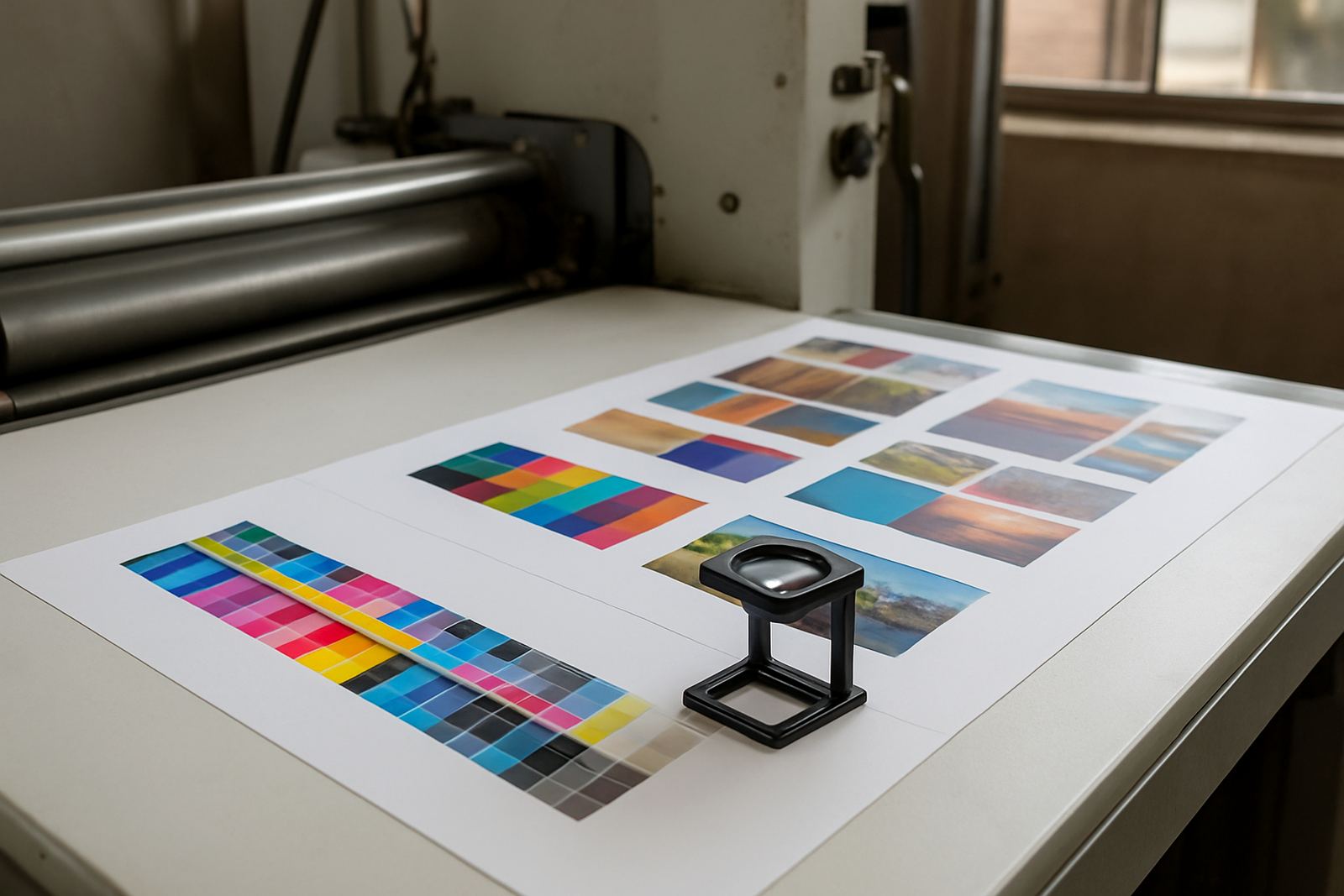
Good sewing starts with clean prepress work. Page order must be correct, section planning must suit the trim size, and the cover spine must allow for the final build-up. Colour proofing helps catch issues before print, while a proper prepress check protects the project from costly rework. On a run going from Industria to clients in Cape Town, Bloemfontein or Nelspruit, that detail matters.
Finishing choices should also be agreed early. Lamination can protect the cover, foil can add emphasis on a title or author name, and die cutting can create a distinct look if the brief calls for it. The binding must still support the design, not fight it. One missing millimetre in spine planning can throw off the whole book block, so tight checks are worth the time.
Before release, confirm:
- Final page count and section structure
- Spine width and cover layout
- Trim size, bleed and creep allowances
- Binding choice against budget and usage
A Johannesburg example that makes the case
A local publisher based near Johannesburg Central once needed a 240 page industry handbook for a national rollout. The book would be used at training sessions, carried between branches and kept by staff for months. A lighter binding would have saved money upfront, but the sample copies showed early stress at the spine. Sewn sections with a laminated cover gave the book a more confident feel and held up better through repeated use.
That kind of project is common across Industria, Sandton, Randburg and Midrand. The decision was not about making the book look expensive for its own sake. It was about choosing a finish that matched the real life of the publication. When a title has to survive handling, transport and storage, the stronger option often ends up being the sensible one.
For publishers, authors and businesses working across South Africa, sewn binding is often the right call when the book must last. It may cost more on day one, but the savings show up in fewer damaged copies, better reader experience and a product that still looks presentable after proper use.