
Built For Repeated Use In Busy Training Rooms
Training manuals are usually opened flat on a table, carried from room to room, and handled by different people over weeks or months. That means the print stock, binding style and cover finish all matter. We produce manuals that are easy to read, simple to file and strong enough for repeated use in busy settings such as onboarding sessions, compliance training, skills programmes and learner packs.
For publishers, corporate training departments and service providers, a good manual must stay legible after many page turns. We can print short runs and larger volumes, with black and white or full colour interiors. If your content includes diagrams, forms, checklists or step by step procedures, we can set the layout so users can find sections quickly. Small formatting issues can waste time, so prepress checks are important and save headaches later.
Binding And Format Options That Suit The Job
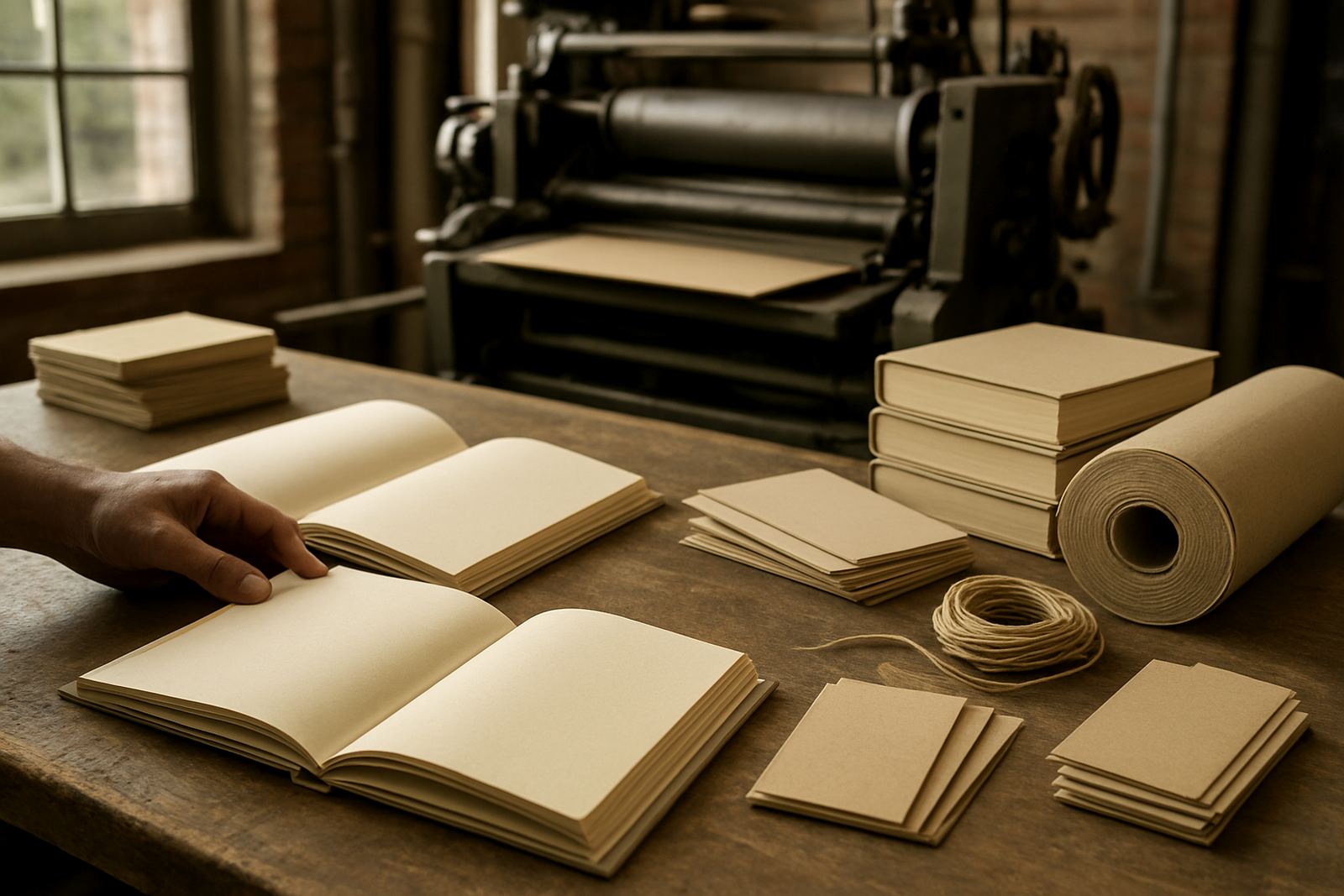
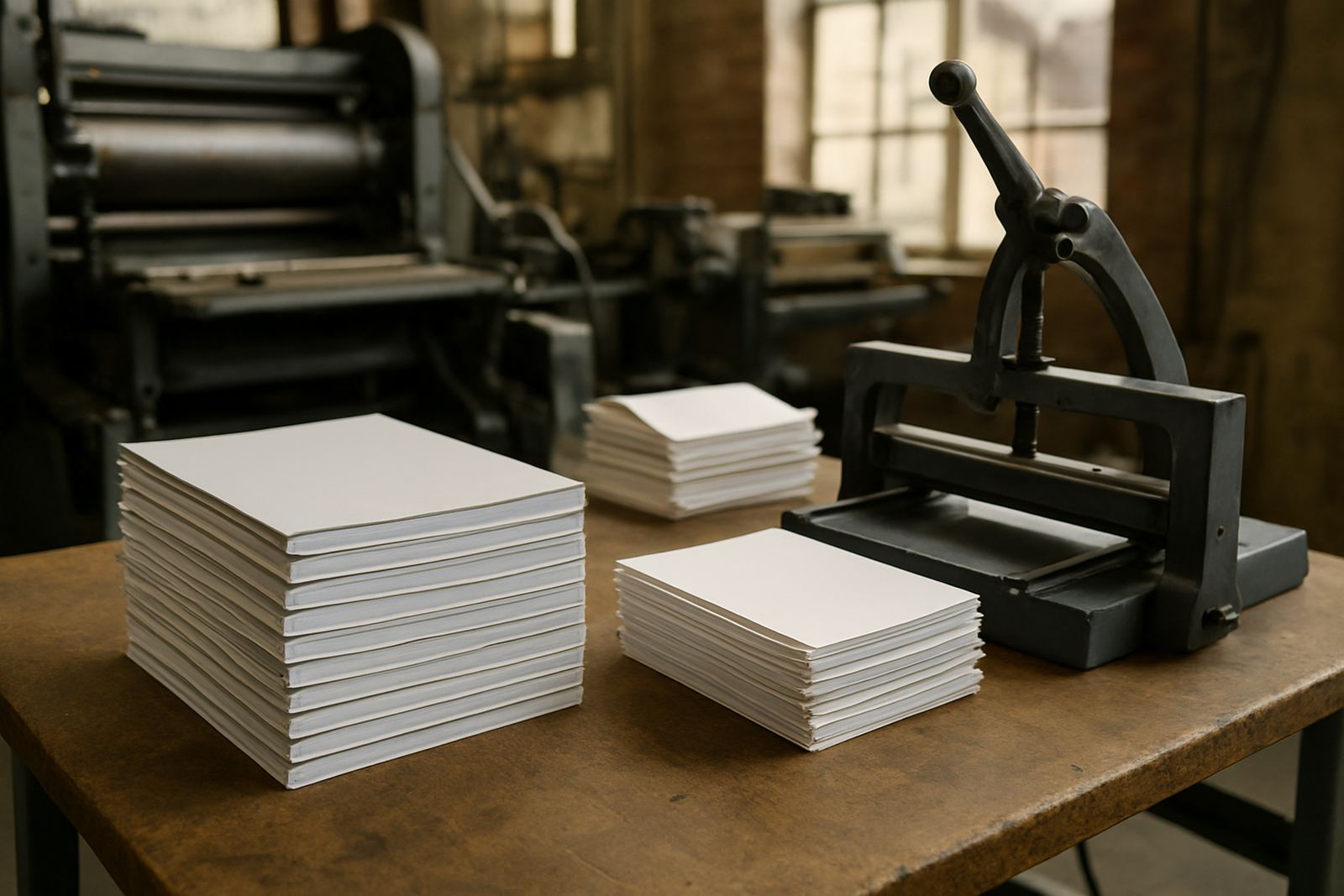
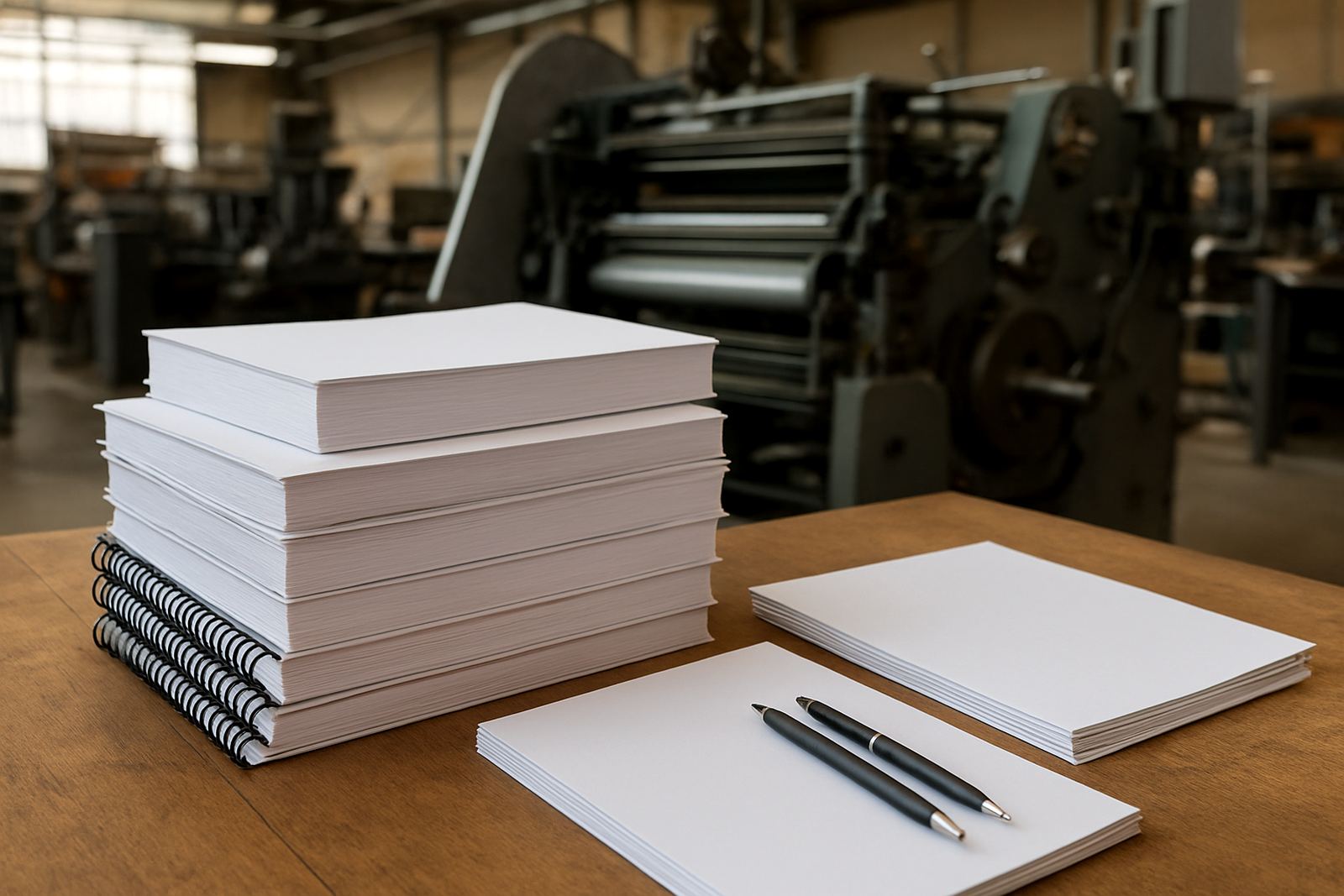
The right binding depends on how the manual will be used and how thick it is. For slim induction packs, saddle stitching is neat and cost effective. For thicker manuals, perfect binding gives a clean spine and tidy shelf presence. Where the manual must open flat and survive heavy handling, section sewing or case binding may be the better choice. We also offer lamination, foil finishing and die cutting where a stronger or more distinctive cover is needed.
- A4 is the most common size for training material, forms and workbooks
- A5 works well for portable field manuals and quick reference guides
- Custom trimmed sizes can help reduce paper waste or match existing series
- Cover lamination helps protect against scuffing, fingerprints and moisture
- Foil finishing is useful for title pages, certificates and branded manuals
If the manual will be used in a workshop or factory setting, a slightly heavier cover and a wipe clean finish are worth considering. That extra bit of protection makes a practical difference over time, especially where hands are dusty or surfaces are not always clean.
Typical Specs For Training Manuals
Most manuals are printed on 128 gsm or 150 gsm gloss or matte cover stock, with interiors ranging from 80 gsm to 120 gsm depending on page count and use. Black and white interiors are common for technical content, while colour pages work well for process maps, safety steps and visual learning. We can print from short runs for pilot training to larger print quantities for national rollout programmes.
Page count can range from 16 pages for a slim induction booklet to 200 pages or more for detailed course material. Spine width needs to be checked carefully on perfect bound and case bound jobs, since page count and paper weight affect the finished size. Our prepress team checks bleeds, trim marks, image resolution and pagination before print starts, which helps avoid costly reprints.
- Trim size: A4, A5 or custom
- Interior stock: 80 gsm to 120 gsm
- Cover stock: 200 gsm to 350 gsm
- Binding: saddle stitch, perfect bind, section sew or case bind
- Print: monochrome or full colour
- Finish: matte or gloss lamination, foil, punch or trim options
Where Training Manuals Work Best
These manuals suit training centres, factories, NGOs, professional firms, corporate HR teams and publishers producing education material. They are also useful for induction packs, safety procedures, onboarding guides, workshop notes and assessor packs. In Johannesburg, Pretoria and the East Rand, many clients need manuals that can be distributed quickly across multiple branches, while publishers often need steady reprints during the year.
We also supply manuals for programmes used in humid coastal areas, where pages can curl if the paper is too light or the finish is not right. A stronger cover and sensible binding make the manual easier to keep in good condition. For field use, we can advise on size and stock so the book fits into a satchel, clipboard or training folder without too much bulk.
Ordering Checks That Save Time And Reprints
Before you place an order, it helps to confirm the final file, binding type and intended use. The same content can be built in more than one way, and the best choice depends on how the manual will be handled. If you are not sure, send through the page count, preferred size and whether you need colour throughout or only on the cover. That gives us enough detail to recommend the right spec.
- Check the final page count and whether pages are single or double sided
- Confirm if the manual must lie flat for notes or practical tasks
- Decide on cover finish, especially for hands on use or transport
- Make sure tables, diagrams and charts print clearly at the chosen size
- Ask about quantities for rollouts, because reprints may be needed later
- Include any tabs, inserts or tear out forms needed for assessments
If your manual will be distributed at a training venue in Sandton, Midrand or Roodepoort, it is worth asking about packing and dispatch lead times as well. For large orders, staggered delivery can make rollout smoother.
Care, Storage And Delivery Across South Africa
Printed manuals should be stored flat, in a dry room and away from direct sunlight. For manuals used in workshops or transportable kits, avoid leaving them in a vehicle for long periods, especially in summer heat. Cover lamination helps, but it will not stop damage from rough handling or damp storage. A simple shelf or carton system goes a long way.
We print and dispatch from Industria, Johannesburg, with delivery to publishers and training teams nationwide. That includes Johannesburg Central, Sandton, Randburg, Roodepoort, Midrand, Pretoria and the East Rand, as well as further afield where schedules allow. If your manuals are for a course starting on a fixed date, tell us early so the print run, finishing and dispatch can be planned properly. Late changes are possible sometimes, but not always ideal when the courier is already booked.
Key facts
| Product type | Bound training manuals for repeated handling |
|---|---|
| Common sizes | A4, A5 and custom trimmed formats |
| Binding options | Saddle stitch, perfect binding, section sewing, case binding |
| Paper stock | 80 gsm to 120 gsm interior, 200 gsm to 350 gsm cover |
| Print options | Monochrome or full colour, short runs to larger volumes |
| Delivery area | Nationwide delivery from Industria, Johannesburg |